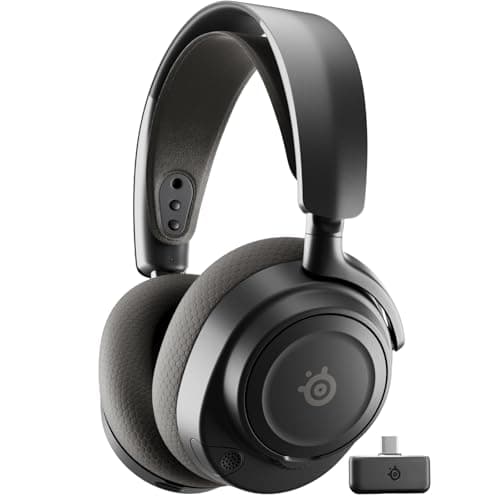
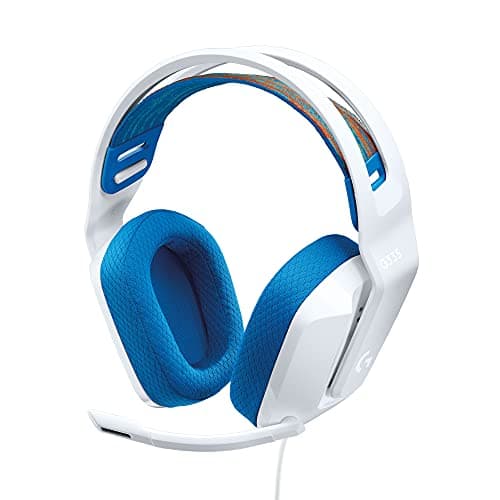
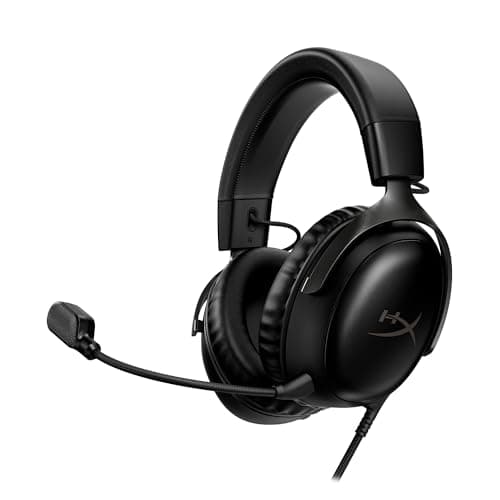
Start by working out where it hurts, because each location has a different cause and a different fix. Pain above the ears is clamping force — stretch the headband over a box for a day or two. A hot, folded-ear feeling is the pads — replace them with deeper, wider ones. A sore spot on the crown is weight distribution — add padding or a suspension strap. All three cost less than ten dollars to attempt, and all three work often enough to be worth trying before you spend real money.
A headset is a clamp that holds two heavy objects against the sides of your skull for several hours. Looked at that way it is remarkable any of them are comfortable, and it is obvious why the uncomfortable ones fail in a small number of predictable ways. Diagnose the way it fails and you can usually fix it.
First: find out what kind of uncomfortable it is
Wear it for an hour, then take it off and notice where the relief is.
- A dull ache above or around the ears, both sides, symmetric. Clamping force. By far the most common.
- A single sore point on the top of your head. Weight concentrated on a narrow headband. The headset may not even be heavy.
- Hot, damp ears; a feeling of the ear being folded or pressed. The pads: too shallow, opening too small, or sealed leatherette trapping heat.
- A sharp line of pain at the temple, behind your glasses. Clamp plus glasses arms. Different fix, covered below.
- Jaw ache or a headache across the forehead.Usually clamp again, and worth taking seriously — the Mayo Clinic lists sustained pressure and poor posture among the ordinary triggers of tension-type headache.
Fix 1: reduce the clamping force
The standard method, and it works on most headsets with a flexible band: find a box, a stack of books or anything slightly wider than your head, and leave the headset stretched over it. Start with a day. Check the fit. Repeat with something wider if it is still tight. Go slowly — stretched too far, a headset becomes loose and slides, and you cannot un-stretch it.
Do not use heat on the band unless you know what the frame is made of. A hairdryer on a plastic headband is a well-travelled piece of internet advice and a good way to deform it permanently. Patience and a box is slower and does not break anything.
Fix 2: replace the earpads
This is the single most underrated upgrade in gaming audio. Pads are consumable — foam compresses, and a two-year-old pad is a fraction of its original thickness, which brings the hard inside of the cup closer to your ear and increases effective clamp at the same time. New pads on an old headset often feel like a different product.
When you replace them, you also get to change the material and the shape. Thicker pads reduce clamp (they hold the cups further apart) and give your ear more room. Velour or fabric runs cooler than leatherette at the cost of a little bass and isolation. Larger-diameter pads clear a big ear that the stock ones were sitting on. Most popular headsets have third-party pads available in several materials; check that the mounting is a simple stretch-over-lip design before you buy, because a few headsets use a clip that only takes the manufacturer's own. While the pads are off, clean the cups — our earpad cleaning guide covers doing that without wrecking the foam.
Fix 3: move the weight off the pressure point
If the pain is a single spot on the crown, the band is concentrating load. Two cheap options: a stick-on or velcro-wrap headband cushion, which widens the contact area; or a third-party suspension strap, which hangs the frame from a flexible sling so there is no single contact line at all. The suspension approach is what the Logitech G335 does from the factory, and it is the reason that headset punches above its price on comfort.
Worth saying plainly: if your headset is genuinely heavy — over roughly 350 g — padding redistributes the load but does not remove it, and there is a limit to how much you can improve. That is the point where fix 5 applies.
Fix 4: deal with the heat
Sealed leatherette pads trap warmth; that is the cost of the seal that gives them their bass and their isolation. Fabric or velour replacements are the direct fix and they are cheap. The indirect fixes are real too: a desk fan, a cooler room, and taking the headset off for two minutes every hour, which also happens to be sensible for your hearing. If isolation is what you are trying to preserve, read noise cancelling vs noise isolating first — you may be able to get the quiet from electronics instead of from a tight seal.
Fix 5: glasses
If you wear glasses, the pad presses the arm of your frames into your temple, and that concentrates the entire clamping force of the headset onto two thin strips of plastic. Thicker, softer pads help the most, because they let the arm sink in rather than pushing back. Reducing clamp with the box method helps second. Thinner or more flexible glasses arms help third, and some people switch to a pair with wire arms specifically for gaming. Our best gaming headsets for glasses page ranks the headsets that need the least of this work.
When to stop fixing and replace it
Three honest signals. If the earcup opening is smaller than your ear, nothing you do helps — deeper pads give you depth but not diameter, and a headset that rests on your ears will always rest on your ears. If the frame is rigid metal with no flex, you cannot meaningfully change its clamp. And if the headset weighs well over 350 g, you are redistributing a problem rather than removing it.
At that point you are shopping, and the thing to shop on is pad depth, opening size and clamp rather than driver size or any of the numbers on the box. Our most comfortable gaming headsets page is the full ranking on those criteria, and how to choose a gaming headset covers everything else you should weigh at the same time. The three below are the short version: the all-round comfortable wired pick, the wireless equivalent, and the lightest cheap one.