First, what the Superlight 2 is actually known for — because that is what an alternative has to replace. Logitech lists it as an ambidextrous, roughly 60-gram wireless mouse with LIGHTSPEED 2.4GHz wireless and long battery life. Its reputation rests on three things: the weight, a symmetrical shape that a very large number of professional players already use, and wireless that has effectively never been the weak link. It is a good mouse. It is also expensive, and two of those three strengths are now available cheaper.
We are not going to tell you the Superlight is bad — it is not, and it stays in our main mouse roundupon merit. The question this page answers is narrower: if you want what it offers and not its price, what should you buy instead? Every price here is pulled live from Amazon and stamped with the date we retrieved it. We do not run a testing lab and never claim to — our methodology page states exactly what our scores are and are not.
Matching it on weight
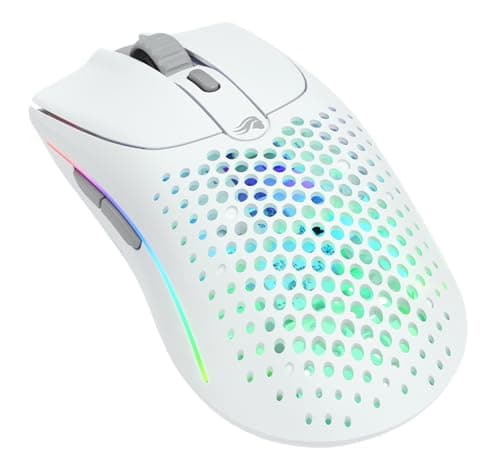
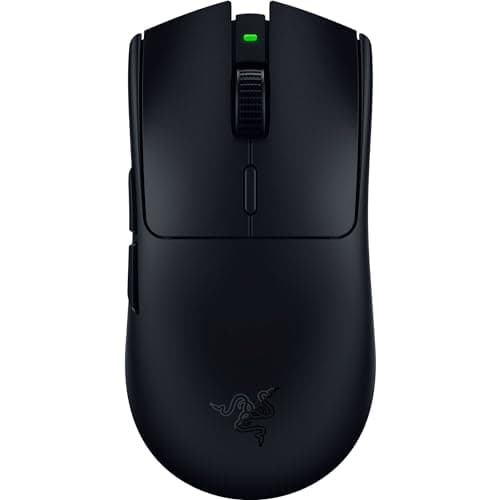
Weight is the strength that is easiest to beat. Razer rates the Viper V3 Pro at around 54 grams, which is lighter than the Superlight 2’s roughly 60, and the Model O 2 Wireless is in the same ultralight class with a solid shell rather than a honeycomb one. Below about 70 grams the differences get hard to feel in isolation, but they are real when you switch between mice in the same session — lighter mice let you stop a flick sooner, because there is less mass to arrest.
What weight does not do is make you accurate. It changes how much effort the movement takes, and therefore how tired your arm is after three hours. That is a genuine benefit and a boring one. Our lightweight mouse roundup covers the whole sub-60-gram field, and lightweight vs heavy mice is the argument in full.
Matching it on shape
This is the strength that is hardest to replace, and the real reason the Superlight sells. Its shape is a safe, medium, symmetrical hump that fits a wide range of hands and grips, and thousands of players have years of muscle memory in it. No other mouse is that shape, and any reviewer who tells you a different mouse “feels the same” is guessing on your behalf.
What you can do is match the category: symmetrical, medium, no aggressive flare. The Viper V3 Pro and the Model O 2 Wireless are both in that family. If you have large hands or use a palm grip, read our big-hands roundup before buying any ultralight — light mice tend to be small mice, and a mouse that is too small is a worse problem than a mouse that is too heavy. Measure your hand first: mouse grip styles explained shows how.
Matching it on wireless, and ignoring the polling numbers
Every mouse here uses a proprietary 2.4GHz dongle rather than Bluetooth, which is the part that matters. A good 2.4GHz link is indistinguishable from a cable in play; Bluetooth is not, and no Bluetooth-only mouse belongs in a competitive discussion.
The 8,000Hz polling modes advertised on flagship mice are a different story. Polling rate is how often the mouse reports its position: 1,000Hz reports once per millisecond, 8,000Hz eight times. The saving is a fraction of a millisecond against a display frame time of several milliseconds and a human reaction time near 200. It costs battery life and some CPU overhead. Treat it as a bonus, never as a reason to pay more. Our polling rate guide has the numbers.
The battery question nobody mentions
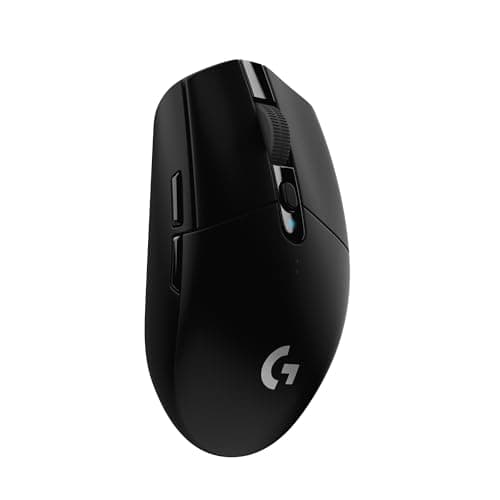
Two of these picks run on a single AA battery rather than a sealed rechargeable cell. That sounds like a downgrade and frequently is not: a AA-powered mouse never needs charging downtime, never degrades its battery capacity over years of cycles, and can be revived in ten seconds with a battery from a drawer. It costs you weight — the G305 is around 99 grams with the cell in, which is why it is not an ultralight contender — and nothing else.
A sealed cell is lighter and tidier, and in a mouse you will own for five years it is the part most likely to limit its life. Neither approach is wrong. It is worth knowing which one you are buying.
Which alternative, by what you actually wanted from the Superlight.
You wanted the lightest competitive mouse:the Viper V3 Pro. Lighter than the Superlight 2 by Razer’s own figures, with the sensor and switches to match.
You wanted an ultralight ambidextrous shape for less: the Glorious Model O 2 Wireless.
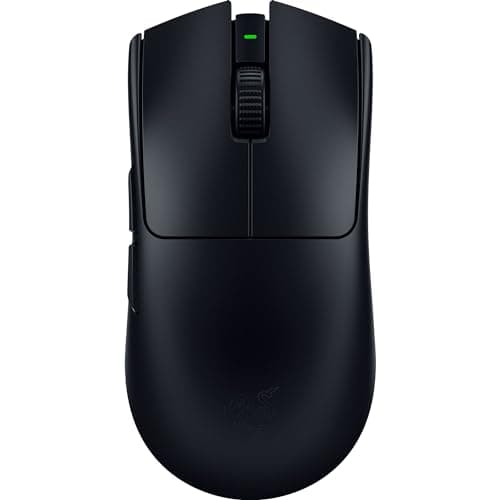
You wanted esports internals and do not care about the shell: the Viper V3 HyperSpeed.
You wanted good wireless and a sensor that does not lie, cheaply: the G305. It is heavier and it does not look special, and it is the pick we recommend most often.
You specifically wanted the Superlight shape: then buy the Superlight. Shape is the one thing on this page that genuinely cannot be substituted, and a mouse that does not fit your hand is a bad purchase at any price.