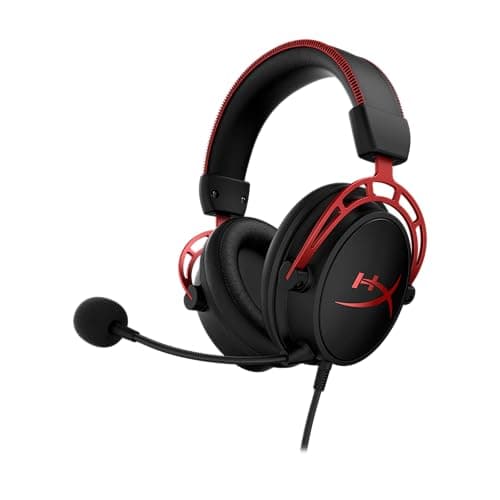
The HyperX Cloud Alpha is the answer for most people, and it is the cheapest thing on this page. Its boom is clear, close-mic'd and well-isolated, and in a party chat nobody will ask you to repeat yourself. Everything above it on this list is better, and none of it is four-times-the-price better for the specific job of being understood by your squad. Before the list, one thing worth saying because it costs us money to say it.
A cheap desk mic beats every headset here
A separate USB microphone costing a fraction of the headsets at the top of this page will out-perform every headset boom on this page, including the ones costing four figures more. Headset microphones are constrained by physics and by budget: the capsule has to be tiny, it has to hang off an arm, and it has to share a bill of materials with two drivers and a headband. A standalone mic has none of those constraints. If mic quality is genuinely your priority and you already own a headset you like, buy a microphone for gaminginstead of a new headset — and put a boom arm on it.
The reason to buy a headset with a good mic anyway is real: it is one device, it needs no desk space, the mic is always the same distance from your mouth regardless of how you sit, and it will never pick up your keyboard the way a desk mic on the same desk surface does. For a lot of squad players that convenience wins outright. Our gaming headset vs headphones plus a mic guide argues both sides properly.
What makes a headset mic actually good
Three things, in this order of importance.
- Distance. A boom that sits an inch from the corner of your mouth is dramatically clearer than one perched near your cheekbone, and it needs less gain, which means less room noise. This is why a flexible boom beats a fixed short one regardless of capsule quality.
- Directionality. A cardioid pattern rejects sound from behind and beside the capsule. Our condenser vs dynamic microphone guide explains why that matters more than raw sensitivity in a noisy room.
- Capsule quality.Real, but last — and the thing every marketing page leads with. A better capsule two inches too far away still sounds worse than a mediocre one in the right place.
Where each of these sits
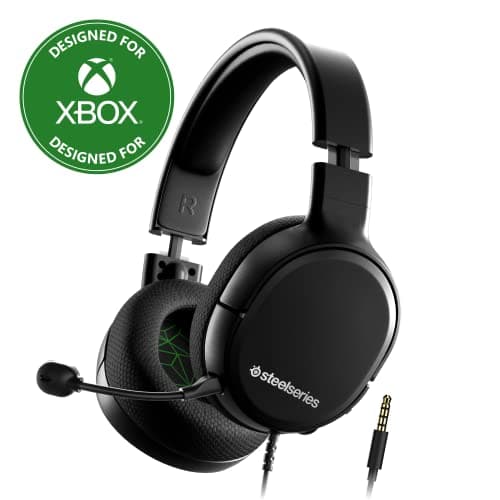
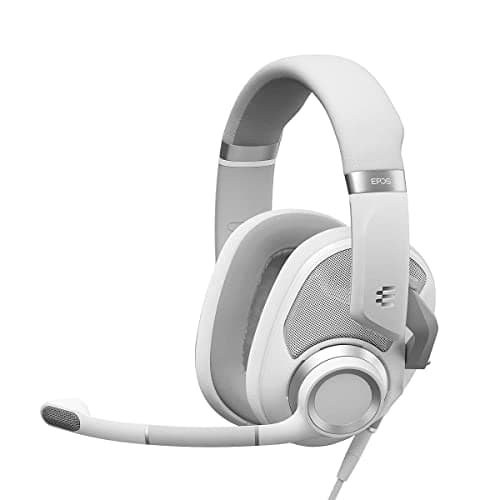
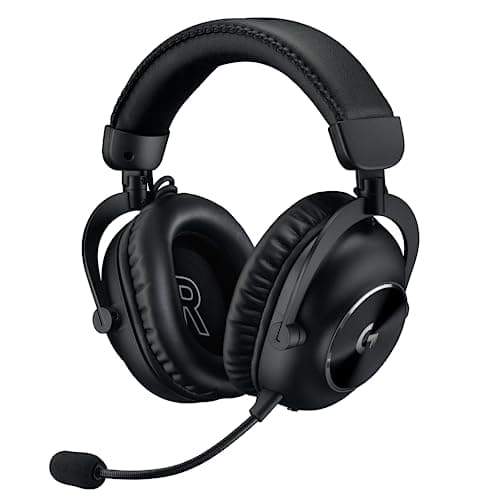
The Cloud Alpha and the SteelSeries Arctis 1are the value pair; the Arctis 1's ClearCast boom detaches, which is genuinely useful. The EPOS H6PRO is a step up and an open-back design, so it is also the comfort pick from our glasses-friendly page. The Logitech G PRO X 2adds Blue VO!CE processing, which is real signal processing rather than an EQ preset — useful if you will tune it, pointless if you will not.
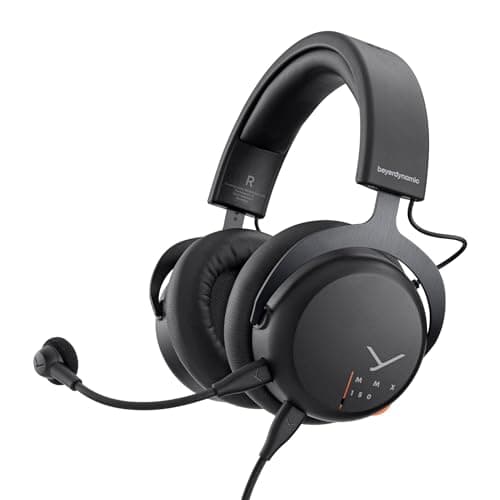
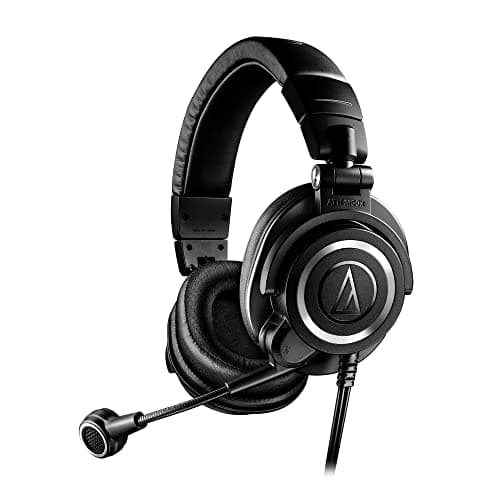
At the top, the beyerdynamic MMX 150 and the Audio-Technica ATH-M50xSTS are the two headsets that stop being gaming products and start being broadcast tools. The M50xSTS in particular has an actual cardioid condenser capsule on the boom rather than the small electret capsule everything else uses, and it is audibly a different class. It also costs more than a good headset plus a good desk mic together, which is the trade you are making. For the full standalone-mic argument, see how to choose a gaming microphone and USB vs XLR.