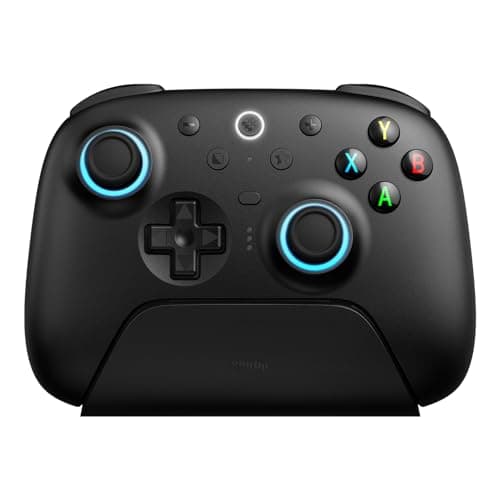
If you want one wireless pad and no deliberation, buy the 8BitDo Ultimate 2. It connects over a low-latency 2.4GHz dongle or Bluetooth, its sticks are hall-effect so they resist the drift that eventually ends most wireless pads, and it arrives with a charging dock and genuine remap software — the parts you normally pay flagship money for, at the price of an ordinary controller. “Wireless” sounds like a single feature, but on a controller it is really a bundle of quiet trade-offs: how the pad connects, how it is powered, how long its sticks survive, and which machines will actually talk to it. The six pads below are all wireless; what separates them is which of those trade-offs each one makes well, and which it quietly makes badly.
What “wireless” actually means on a controller
Strip away the marketing and a modern pad connects over one of two radios, and the choice matters more than most buyers realize. The first is a dedicated 2.4GHz dongle: a small USB receiver you plug into the machine, which gives the closest thing to a wired connection without the wire. It is the lowest-latency wireless option here, the one competitive players reach for, and its cost is a USB port plus a little dongle you can lose. The second is Bluetooth: no receiver to carry, it pairs straight to phones, tablets, handhelds and laptops, and it is the most convenient link by far — but latency runs a touch higher and pairing can be fussier than a dongle that just works the instant it is seated.
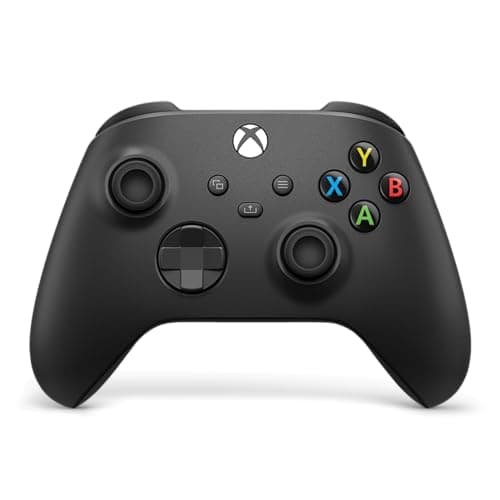
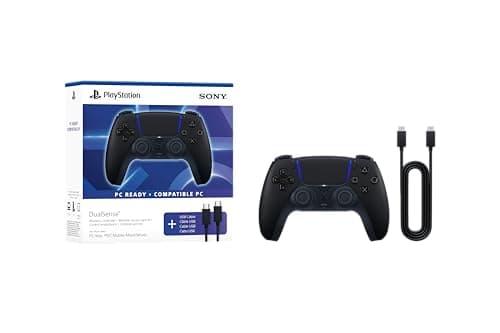
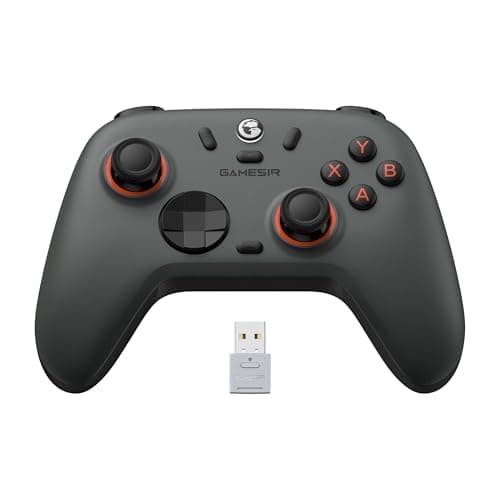
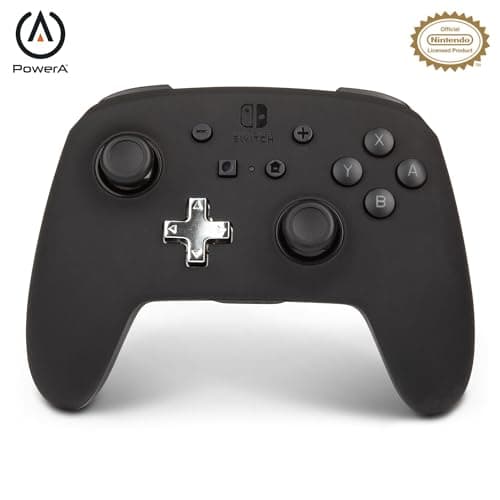
Several pads here refuse to make you choose. The 8BitDo Ultimate 2 and the GameSir Nova Lite 2 carry both a 2.4GHz dongle and Bluetooth, so you run the dongle at the desk and Bluetooth on the sofa. The Xbox Wireless Controller pairs over Microsoft's own Xbox Wireless protocol as well as Bluetooth, while the DualSense and the PowerA Enhanced Wireless are Bluetooth pads. None of this is a deal-breaker on its own; it just decides how the controller fits into your particular set of machines. If you are weighing the cable against the convenience more broadly, our wired vs wireless controller guide lays out exactly what the wire still does better, and where it no longer matters.
Hall-effect sticks are the real durability story
The single most common way a controller dies is not a cracked shell or a worn grip — it is stick drift, where a joystick registers movement you are not making. On a conventional pad the culprit is the thumbstick module itself: it uses potentiometers, small physical contacts that wear against a resistive track every time you move the stick, and over months that wear turns into a false, crawling input. Hall-effect sticks avoid the whole failure mode by reading a magnetic field instead of a physical contact, so there is nothing to grind down. That is why we keep pointing drift-worried buyers at them, and why the winner here uses them.
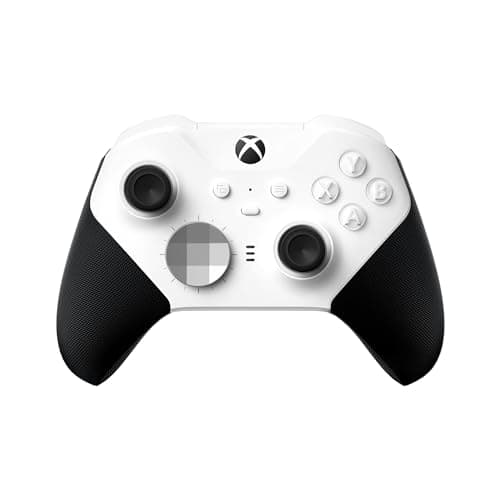
In this field, the 8BitDo Ultimate 2 and the GameSir Nova Lite 2 are the hall-effect pads, which is a large part of why the value picks are also the durable ones. The Xbox Wireless Controller and the PowerA Enhanced Wireless both use conventional potentiometer sticks, so they carry the usual long-term drift risk — a genuine mark against otherwise excellent pads. Even the premium Xbox Elite Series 2 Core, for all its adjustable-tension sticks, is built on conventional stick technology rather than hall-effect. If this is the trade-off you care about most, read our hall-effect vs potentiometer sticks guide, the best hall-effect controllers page, and, if you are already living with drift, our how to fix controller stick drift walkthrough.
Compatibility: the pad has to speak your platform's language
A wireless controller is only as good as the machines that recognize it, and this is where the picks diverge hardest. The Xbox Wireless Controlleris the default on PC because Windows is effectively built around it — it is the pad most games expect, and the one launchers and Game Pass titles identify without a fuss. The DualSenseis at its best on a PS5, where its haptics and adaptive triggers come alive; on a PC those signature features only fire in a limited set of titles and usually want a wired link or Steam's DualSense support to work at all, and not every launcher sees the pad natively. That is the honest catch behind an otherwise superb controller.
The 8BitDo Ultimate 2is a PC, Android and Steam pad — deliberately so — and it is not licensed for Xbox consoles, so if a current Xbox is your main machine it is the wrong buy no matter how good the value is. The GameSir Nova Lite 2 spreads across PC, mobile and handhelds, while the PowerA Enhanced Wireless is an officially licensed Switch and Switch 2 pad. On PC, most of this is smoothed over by Steam Input, which can remap almost any controller into something a game understands; Microsoft's Xbox Support and PlayStation both document their own pads' pairing and features. We break the platforms out on our best controllers for PC, best controllers for Xbox and best controllers for Switch pages, and if you are pairing to a Switch specifically, our how to connect a controller to a Switch guide walks the steps.
Rechargeable, dock or AA — how the pad keeps its charge
Power is the trade-off buyers forget until the pad dies mid-session. The Xbox Wireless Controllerships with disposable AA batteries rather than a built-in cell, which is a real running cost and a genuine mark against it — the built-in-battery convenience everyone else includes is a paid add-on here. The counter-argument is that AA cells let you swap a fresh pair in seconds and keep playing, where a built-in battery that runs flat means reaching for a cable. The DualSense, the Nova Lite 2 and the Elite Series 2 Core all carry rechargeable batteries, and the 8BitDo Ultimate 2 goes one better with a charging dock, so it lives on the desk permanently topped up rather than plugged into a wire. If a pad of yours has stopped taking a charge, our how to fix a controller that will not charge guide covers the usual causes before you write it off.
The extras that separate a good pad from a great one
Beyond the radio and the sticks, a handful of quieter features decide how a controller actually feels across a long session. Back paddles and button remapping are the biggest: the Elite Series 2 Core is built around a paddle-ready back, and the 8BitDo Ultimate 2 and GameSir Nova Lite 2 add back-paddle mapping through their software, which lets you jump or reload without lifting a thumb off the stick. If you have never set that up, our how to remap controller buttons guide walks it through. The d-pad matters more than its size suggests for anything 2D or menu-heavy, and the grip texture and shell shape decide whether hour three is comfortable or a chore — this is where the first-party Xbox pad and the DualSense pull clearly ahead of the budget shells. A 3.5mm headset jack in the pad itself, present on the Xbox and DualSense, is the small convenience you only notice the moment it is gone.
One feature worth understanding before you tune anything is the deadzone— the small central area where stick movement is deliberately ignored, so a resting thumb does not drift the camera. A pad with hall-effect sticks and decent software lets you shrink that deadzone with confidence, because those sticks are not going to develop the false input a wide deadzone exists to hide. Our what is controller deadzone guide explains why a smaller deadzone feels more immediate, and why you can only safely run one on sticks that stay accurate over time. It is the kind of adjustment that turns a merely fine pad into one that feels like an extension of your hand.
It is also worth being realistic about wireless latency itself. For the overwhelming majority of players, in the overwhelming majority of games, neither a good 2.4GHz dongle nor modern Bluetooth adds a delay you can actually feel — the difference is real on a lab bench and invisible on the sofa. The players who should insist on the dongle are those competing at a level where a hair of consistency changes outcomes; everyone else can pick on convenience and platform without guilt. Buying the most expensive pad here purely to shave off latency you will never perceive is the one upgrade on this page that is easy to talk yourself into and hard to justify.
How the ranking shakes out
The 8BitDo Ultimate 2takes the top spot because it refuses to compromise where it counts: dual 2.4GHz and Bluetooth connectivity, hall-effect sticks and triggers that shrug off drift, a charging dock, and remap software deep enough to add back-paddle mapping and tune stick curves — all for roughly the price of a plain pad. Its honest limit is compatibility: it will not pair with an Xbox console, and the software takes a little learning. The Xbox Wireless Controller is the sensible default for anyone whose life is mostly PC or Xbox, because nothing is recognized more painlessly and the trigger and bumper feel is still the benchmark — you just accept the AA batteries and the conventional sticks that can eventually drift.
The DualSense earns its place for the single-player player: in the handful of PC games that support them, its haptics and adaptive triggers are a step nothing else here can match, and it is a lovely pad everywhere else. Its catch is that those headline features stay dormant outside their supported titles, and it is not seen natively by every launcher. The GameSir Nova Lite 2 is the budget hall-effect pick — it gives up shell polish and long-term software support, not the parts that stop drift — and it is the pad to buy when the money is tight but you still refuse conventional sticks. The Xbox Elite Series 2 Coreis the premium option: adjustable stick tension, hair-trigger locks and a paddle-ready back, with the honest warning that the “Core” ships without the paddle set, that the Series 2 line has a documented reliability history, and that most players never touch the features that justify the price. And the PowerA Enhanced Wireless is the licensed budget-wireless answer for a Switch, adding mappable back buttons the first-party pad lacks, as long as you accept its conventional sticks and functional-rather-than-premium build.
Match the pad to where you play, not to the spec list
The mistake to avoid is buying features your platform will never light up. A DualSense on a PC that only plays competitive shooters wastes its best trick; an 8BitDo Ultimate 2 bought for an Xbox will not pair at all. Decide where you actually game first, then pick the pad that speaks that machine fluently and makes the durability and power trade-offs you can live with. If your budget is the constraint rather than the platform, our best controllers under $50 page lines the same class up by price, and if drift is your one fear, the best hall-effect controllers and best 8BitDo controllers pages go deeper on the pads built to outlast it. Still unsure what matters? Our how to choose a gaming controller guide and our how to remap controller buttons walkthrough cover the decisions the spec sheet hides.