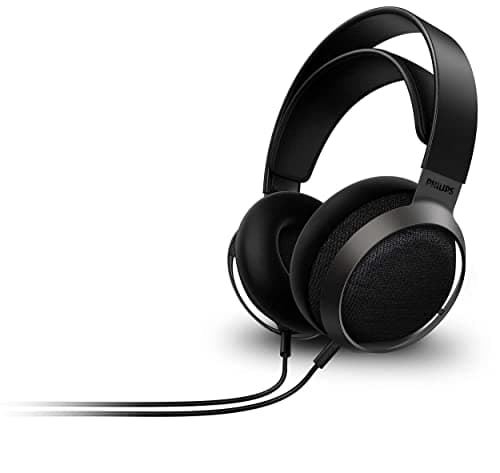
Buy the Philips SHP9500. It is the cheapest headphone on this list, it needs no amplifier, and for the specific job of hearing where a sound came from it beats open backs costing two and three times as much.
That is an inconvenient answer for us, and we are going to give it anyway. The expensive picks further down this page pay us more per click than the winner does. We ranked a decade-old $100 headphone above them because, measured against what actually matters in a shooter, it is better — and pretending otherwise is how the rest of this category lost the reader's trust.
Open-back headphones have a structural advantage at positional audio. That much is not an opinion: a sealed earcup reflects sound back at your eardrum and smears the sharp transient edges your brain uses to place a noise. An open back lets that energy leave instead of bouncing. Every headphone on this page has that advantage. What separates them is everything else.
The criteria, before the products
We ranked these against four questions, in this order. If you disagree with the order, the rest of the page will tell you enough to re-rank it yourself — which is the point.
- Can you drive it? An open back you cannot power properly is a worse headphone than a cheap one you can. This disqualifies more picks than anything else, and the spec that decides it is not impedance.
- Does the tuning help or hurt? Bass-heavy tuning buries footsteps. This is the axis where the expensive, pleasant headphones lose to the cheap, slightly boring ones.
- What does it cost you in total? Five of these seven have no microphone. The real price is the headphone plus the mic plus, sometimes, an amp.
- Will you wear it for four hours? Comfort is not a luxury metric. Weight and clamp end more sessions than anything on the frequency response graph.
One warning before the table, because it is the single most common way people waste money here: open back is not a competitive upgrade if you share a room. These leak badly enough that someone next to you can follow your game, and the noise leaking back in will cost you more than the imaging gains you. If that describes your room, stop reading and go to our headsets under $100instead. The same warning applies if this pair also has to serve music — open-back leaks, and bass-light competitive tuning is thin on anything that is not a shooter. Our best headphones for gaming and music page ranks for that overlap instead, and leads with a closed-back pick for exactly these reasons.
How to buy an open back without wasting the money
Sensitivity decides whether you need an amp. Not impedance.
This is the mistake the category is built on, and it costs people real money. Everyone checks impedance — the Ohm number — and concludes that a low figure means "runs off anything". It does not work like that.
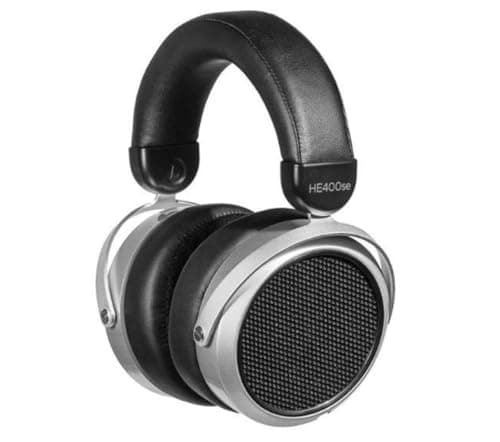
The HIFIMAN HE400se is the clean example. HIFIMAN's own spec sheet lists it at 32 Ohm, which looks as phone-friendly as the SHP9500. It is not. The same sheet lists its sensitivity at 91dB, and sensitivity is how much volume you get for a given amount of power. A 91dB headphone needs several times the power of a 100dB one to reach the same level. Plug it into a Steam Deck and it is quiet and lifeless — and you will blame the headphone rather than the source.
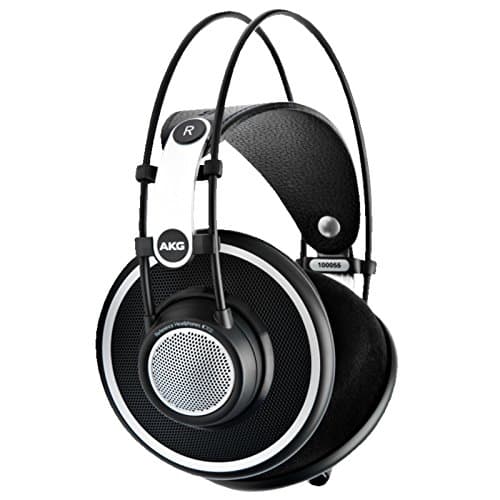
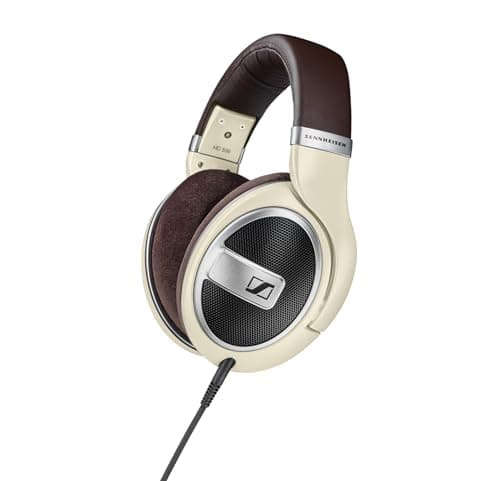
Compare the numbers the manufacturers publish across this list. The Fidelio X3 is 30 Ohm at 100dB/mW. The HD 599 is 50 Ohm at 106dB. The K702 is 62 Ohm at 105dB SPL/V. The HD 599 has a higher impedance than the HE400se and is dramatically easier to drive, because its sensitivity is 15dB higher. Impedance told you nothing useful. Sensitivity told you everything.
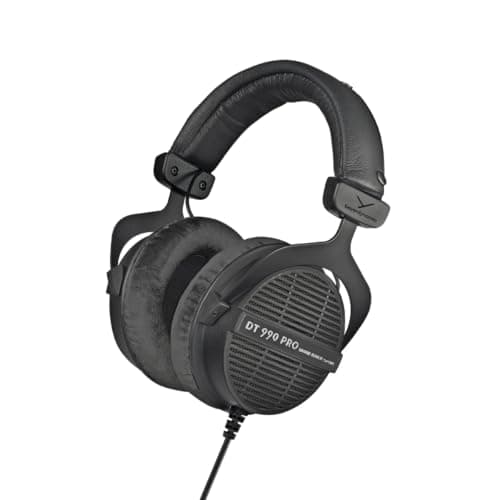
The practical rule: roughly 100dB or above and any source will do. Below about 95dB, budget for an amp and add it to the price before you compare. The DT 990 PRO at 250 Ohm and the HE400se at 91dB are both amp purchases wearing a headphone price tag. Our best DACs for gamingpage quotes each unit's output power at a stated impedance, which is the figure that tells you whether it will actually drive either of them.
The microphone problem, and the three honest ways out
Five of the seven picks here have no microphone at all. That is not an oversight — they are studio headphones, and the reason they image well is that they were built for people who already own a microphone. You have three options and they are all real:
- A clip-on or modmic. Cheapest, and it keeps the headphone you actually wanted. Adds a small amount to the total and a cable to manage.
- A desk mic you already own. Free if true. Picks up your keyboard, and it will pick up the game audio leaking out of your open cups, which is the specific reason open backs are poor streaming headphones.
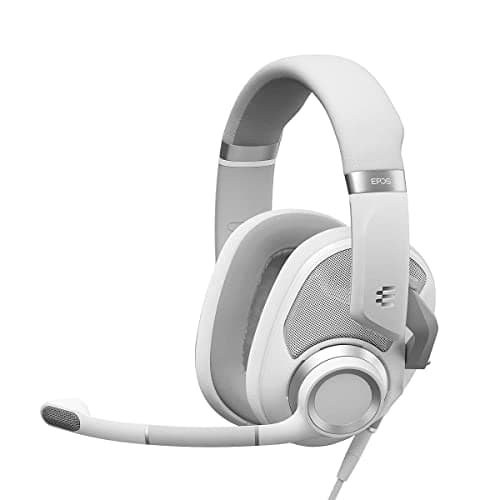
- Buy the one with a mic attached. That is the EPOS H6PRO, and it is why it ranks second here despite not being the best-imaging headphone on the page. One purchase, one cable, a boom mic that is genuinely better than the bundled average.
Do the total-cost arithmetic before you decide the SHP9500 is the cheap option. SHP9500 plus a decent clip-on lands close enough to the H6PRO that the H6PRO's single-cable simplicity is a legitimate reason to pick it. We would still take the SHP9500 — but that is a preference, not a fact, and we are not going to dress it up as one.
Planar or dynamic?
The HE400se is the only planar magnetic driver here. Planars use a thin, evenly-driven diaphragm instead of a cone pushed from its center, and the practical upshot for gaming is transient behavior: sounds start and stop crisply. A footstep is a quiet, broadband, fast event — exactly the thing that benefits.
It is a real advantage and it is not a large one. It is smaller than the difference between an open back and a closed back, and much smaller than the difference between a driven headphone and an under-driven one. Buy a planar because you want a planar and own an amp. Do not buy one expecting it to be a competitive cheat code.
What an open back will not fix
It will not fix a game with bad audio. It will not fix a noisy room. It will not fix the fact that most games flatten their audio mix long before it reaches your ears, which is the actual reason you cannot hear people creeping up on you — and no headphone on this page, at any price, undoes that.
What an open back does is stop your hardware from adding a problem on top. That is worth having, it is worth about $100, and past roughly $200 in this category you are buying comfort, build quality and music performance rather than the ability to win a gunfight.