HUB 02
Gaming Audio
Headsets, earbuds and the physics of hearing someone before they hear you.
Most gaming-audio content is a list of headsets with the word 'immersive' attached. We start from how human sound localization actually works, cite the research, and then rank the hardware against it. The conclusions are frequently inconvenient for the expensive products.
We earn a commission when you buy through our Amazon links, at no extra cost to you. It never affects our rankings, and we say so when the cheaper product is the better buy. How this works.
Start here
The Best Gaming Headsets for Hearing Footsteps
Ranked on positional accuracy, not brand. The best pick is an open-back studio headphone — and the wireless gaming flagship loses.
Read the guide →
Everything in this hub
All gaming audio guides
- Roundup
Roundup
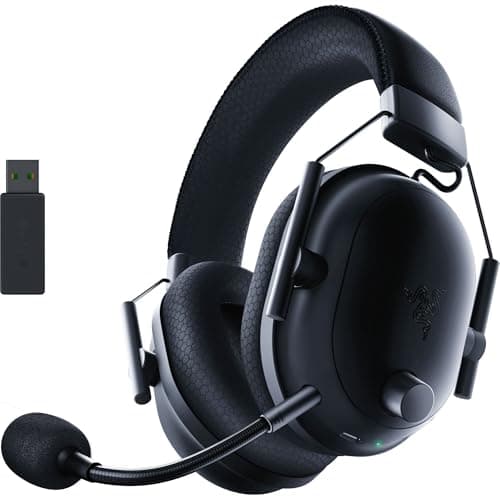
The Best Gaming Headsets for Hearing Footsteps
Ranked on positional accuracy, not brand. The best pick is an open-back studio headphone — and the wireless gaming flagship loses.
6 products · 5 with live prices
Roundup
The Best Headsets for FPS Gaming
Imaging plus a mic your team can actually hear. The compromise pick beats the audiophile pick here — and we say why.
6 products · 6 with live prices
- Roundup
Roundup
The Best Open-Back Headphones for Gaming
Seven open backs ranked for gaming. The decade-old $100 pick still wins, and the spec everyone checks for amp requirements is the wrong one.
7 products · 6 with live prices
- Buyer's guide
Buyer's guide
Open Back vs Closed Back for Gaming
Open back wins on imaging. Closed back wins on isolation. Which is 'better' depends entirely on whether you share a room.
- Buyer's guide
Buyer's guide
Gaming Headset vs Headphones + Mic
Headphones + a separate mic beats a gaming headset on sound per dollar. A headset beats it on everything else.
Roundup
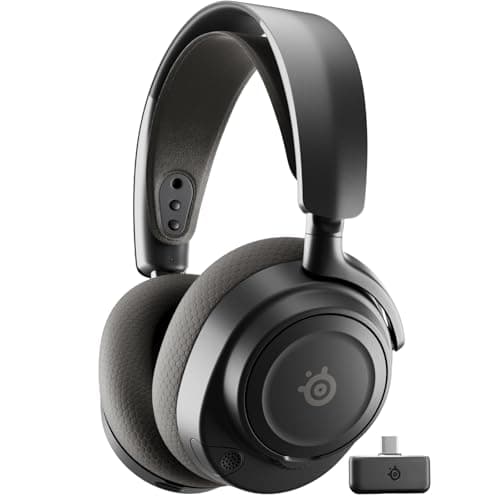
The Best Wireless Gaming Headsets
Low-latency 2.4GHz wireless, ranked. The mid-range pick does 90% of the flagship's job for a third of the price.
6 products · 6 with live prices
Roundup
The Best Bluetooth Gaming Headsets
Bluetooth gaming headsets ranked for real multi-device use. The best ones add a low-latency 2.4GHz dongle so Bluetooth's lag never touches your game.
6 products · 5 with live prices
Roundup
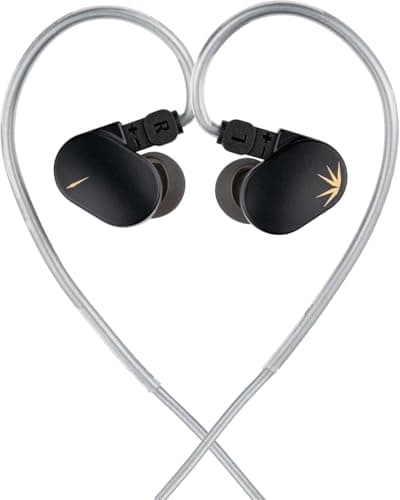
The Best Gaming Earbuds and IEMs
Cheap wired IEMs beat expensive wireless earbuds on sound, badly. The wireless ones win on having a mic and no cable.
6 products · 5 with live prices
Roundup
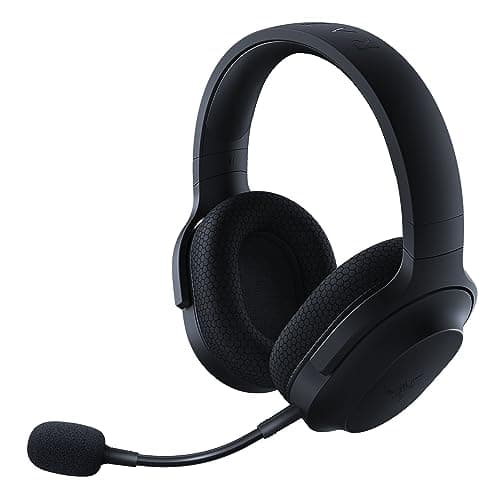
The Best Audio for Steam Deck and Handhelds
USB-C dongle or 3.5mm — those are your options on a handheld. Bluetooth has too much latency, and a USB-A dongle needs an adapter you'll lose.
6 products · 5 with live prices
Roundup
The Best Gaming Headsets Under $200
Six headsets from a cheap wired staple to a wireless flagship. What each extra tier of spend buys -- wireless, a better mic, positional accuracy -- and where to stop.
6 products · 6 with live prices
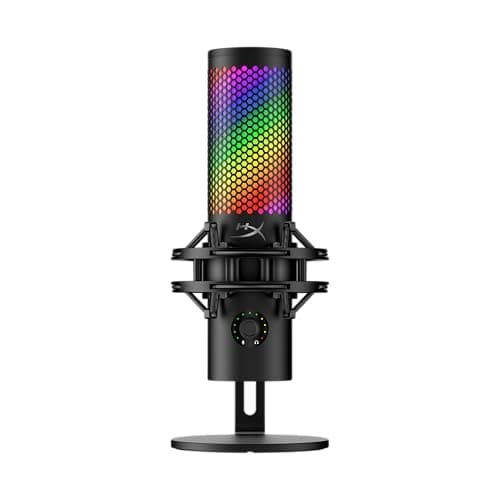
Roundup
The Best Microphones for Gaming
Five gaming and streaming mics ranked around the one decision that matters: condenser versus dynamic for your room, plus onboard controls and the XLR upgrade path.
5 products · 4 with live prices
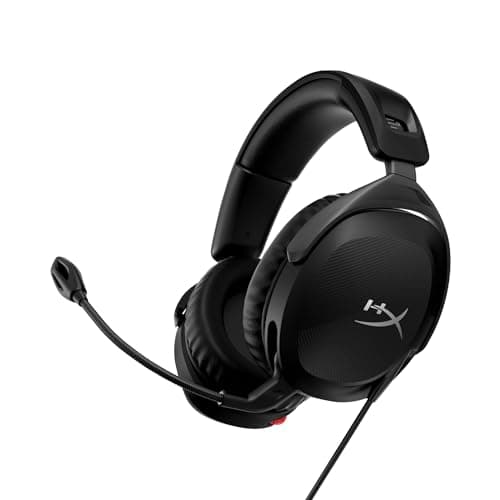
Roundup
The Best Cheap Gaming Headsets
Five headsets under $50. The sound is broadly a wash at this price, so connection type, comfort and mic clarity are what should decide it.
5 products · 5 with live prices
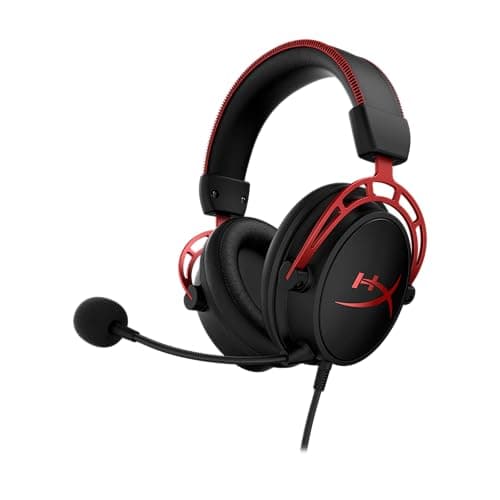
Roundup
The Best Wired Gaming Headsets
Six wired gaming headsets ranked, split across 3.5mm analog (works on anything) and USB (unlocks virtual surround on PC). From a do-everything default to the best sound-per-dollar, the PC-surround pick and two featherweight budget options.
6 products · 6 with live prices
Roundup
The Best Gaming Headsets for PS5
Five gaming headsets ranked for PS5, split by how they actually connect: a 2.4GHz USB dongle for the wireless picks, and the DualSense 3.5mm jack for the wired ones. From the best wireless all-rounder to a budget wireless set and two reliable wired options.
5 products · 5 with live prices
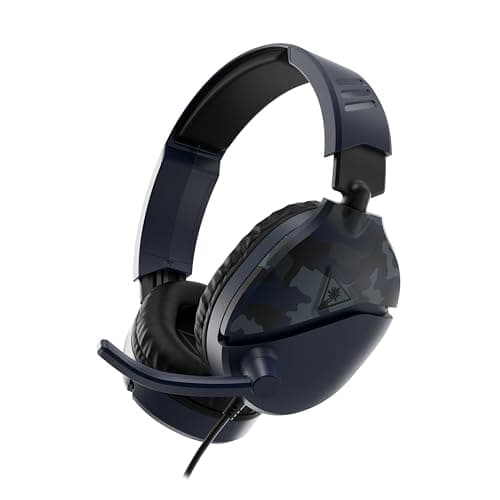
Roundup
The Best Gaming Headsets for Xbox
Four budget wired headsets for Xbox Series X|S and Xbox One, all connecting by a single 3.5mm plug into the controller. Ranked on comfort, mic, weight and build, with an honest explanation of why USB and generic 2.4GHz wireless do not work on Xbox.
4 products · 4 with live prices
Roundup
The Best Gaming Headsets for PC
Six PC gaming headsets ranked across every connection the platform offers -- wired 3.5mm, low-latency 2.4GHz and Bluetooth. The pick comes down to wired vs wireless and how much the mic matters.
6 products · 6 with live prices
Roundup
The Best Gaming Headsets for Nintendo Switch
Six headsets ranked for the Switch, where a plain 3.5mm plug is the safe universal answer and the wireless options come with real caveats around the microphone.
6 products · 6 with live prices
Roundup
The Best Gaming Headsets Under $50
Five wired gaming headsets under $50, ranked on the two things that matter at this price -- comfort and mic clarity -- with the fake-surround marketing stripped out.
5 products · 5 with live prices
Roundup
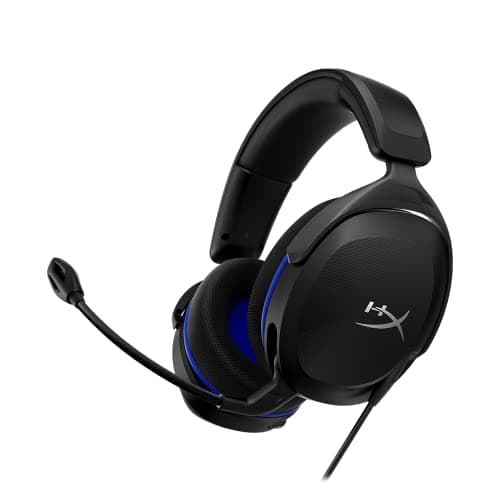
The Best Gaming Headsets Under $30
Four gaming headsets under $30 that are genuinely usable: a HyperX with swivel-to-mute, a multiplatform Turtle Beach, a JBL with a detachable mic, and Logitech's light G335.
4 products · 4 with live prices
Roundup
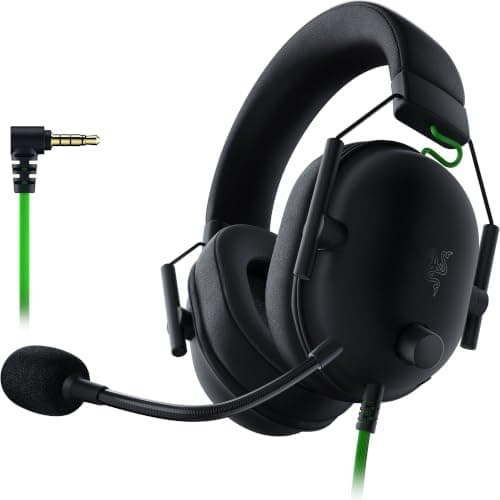
The Best Gaming Headsets for Glasses Wearers
Five headsets ranked on the three things that actually reduce glasses pain: low weight, low clamp force and thick cushions that deform around a temple arm rather than pressing it in.
5 products · 5 with live prices
Roundup
The Best Gaming Headsets for Mic Quality
Six headsets ranked by microphone rather than sound: a budget pick that is genuinely good enough, two studio-grade options at the top, and a straight explanation of why position beats price.
6 products · 6 with live prices
Roundup
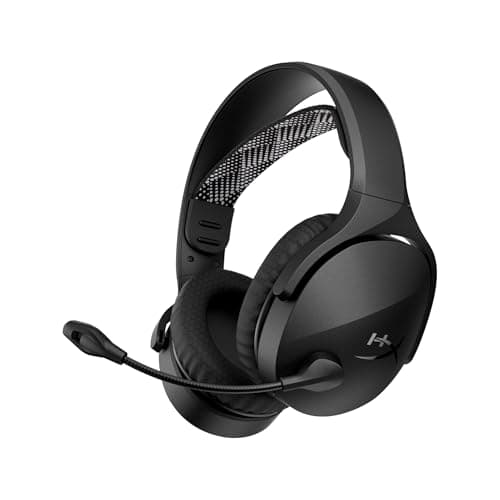
The Best Low-Latency Wireless Gaming Headsets
Six wireless headsets with a real 2.4GHz dongle, plus an honest account of what wireless latency is, why Bluetooth is disqualified, and which manufacturer claims we could not verify.
6 products · 6 with live prices
Roundup
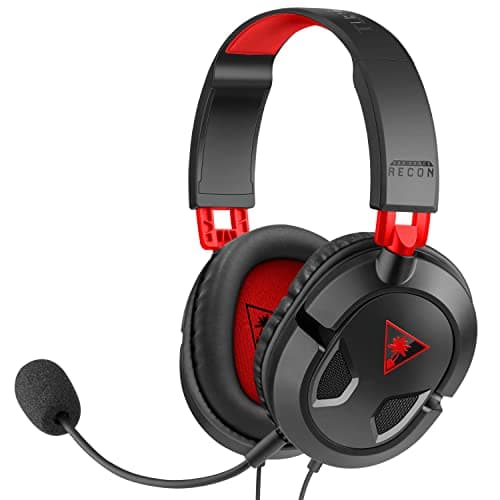
The Best Gaming Headsets for Kids
Five headsets for younger players judged on durability, wired simplicity and fit, with an honest note on why none of them has a hardware volume limiter and what to do instead.
5 products · 5 with live prices
Roundup
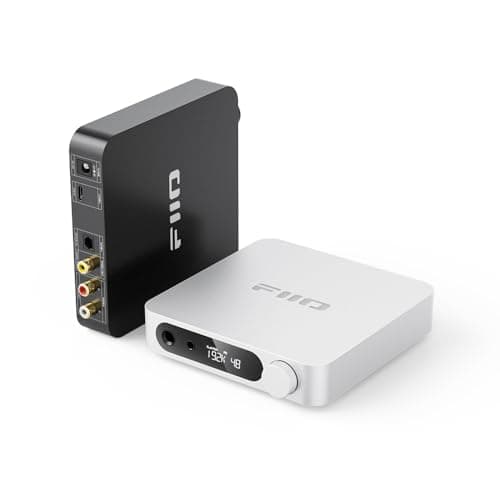
The Best DACs for Gaming
Seven DACs and headphone amps ranked by who each is for, from a plain USB-C adapter that tells you whether you need one at all to a THX desktop amp for 300-ohm open-backs. Includes the two problems a DAC actually solves and how to test for them free.
7 products · 7 with live prices
Roundup
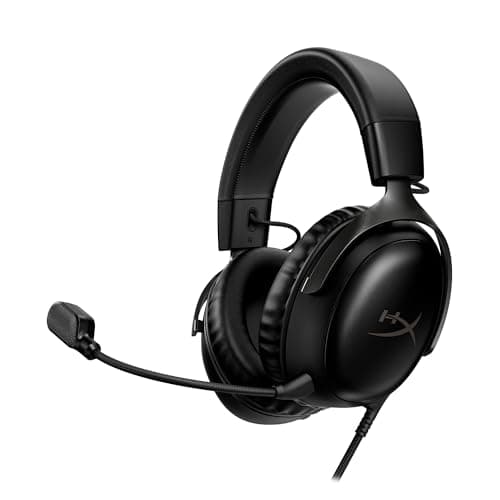
The Most Comfortable Gaming Headsets
Five gaming headsets ranked for long-session comfort on clamping force, head weight, pad depth and heat, from a 240 g suspension-band budget pick to the one pair here with no microphone at all. Includes how to judge a headset's comfort from a spec sheet before you buy it.
5 products · 5 with live prices
Roundup
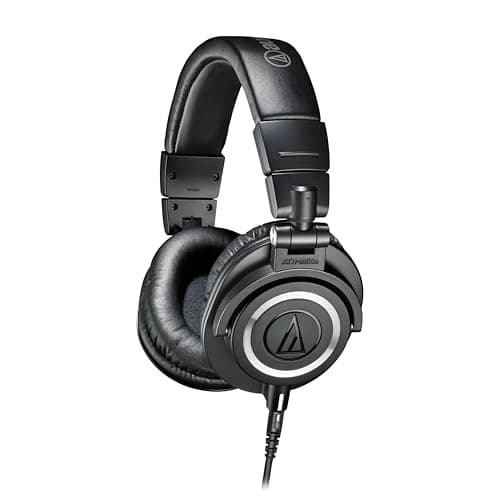
The Best Headphones for Gaming and Music
Five headphones ranked for doing both jobs with one pair: why competitive-tuned headphones are bad music headphones, what open-back really costs you outside games, and the closed-back studio monitor that is still the sensible answer for most people.
5 products · 4 with live prices
Head to head
HyperX Cloud Alpha vs Cloud III
The analog Cloud Alpha against the USB-C-equipped Cloud III: what dual-chamber drivers and angled drivers actually change, which microphone is better, and which one to buy for PC, console or Switch.
4 products · 4 with live prices
- Buyer's guide
Buyer's guide
Why You Can't Hear Footsteps
The mechanism nobody explains: ITD below ~1.5kHz, ILD above it. A headset that wrecks either one wrecks your ability to locate anything.
- Buyer's guide
Buyer's guide
Wired vs Wireless Gaming Headset
Wired wins on sound-per-dollar and never needs charging. Wireless wins on freedom — as long as it's a 2.4GHz dongle, not Bluetooth. The latency panic is mostly aimed at the wrong target.
- Buyer's guide
Buyer's guide
Gaming Headset Mic Not Working: A Fix-It Guide
An ordered, do-this-first troubleshooting path for a dead headset mic — Windows sound settings, app permissions, the mute switch, the split-adapter trap, drivers, console notes — and how to know when the mic is genuinely dead.
- Buyer's guide
Buyer's guide
Is 7.1 Virtual Surround Better Than Stereo for Footsteps?
Virtual surround is HRTF processing on two drivers, not real multi-channel sound. Clean stereo plus your own brain often beats a cheap virtual mode — but a good HRTF can genuinely help. Try it, and keep it only if it does.
- Buyer's guide
Buyer's guide
Do You Need a DAC or Amp for Gaming?
The honest answer is: probably not. A DAC/amp fixes hard-to-drive headphones and noisy onboard audio — most headsets and most gaming needs have neither problem.
- Buyer's guide
Buyer's guide
How to Set Up a Gaming Microphone
The full setup in order: positioning, gain staging, plosives, polar pattern, Windows input, Discord/OBS, noise suppression and monitoring. Setup beats gear.
- Buyer's guide
Buyer's guide
How to Fix Headset Crackling and Static
The ordered fix for headset crackling and static: reseat the plug and change ports, correct a Windows sample-rate mismatch, update or roll back the audio driver, disable exclusive mode and enhancements, and rule out wireless interference or a damaged cable.
- Buyer's guide
Buyer's guide
Headphone Impedance and Amps, Explained
What impedance (ohms) and sensitivity actually tell you, when a headphone genuinely needs an amp (high-impedance studio cans) versus when it does not (nearly every gaming headset), and the honest list of what an amp fixes and what it never will.
- Buyer's guide
Buyer's guide
Gaming Headset vs Earbuds for Gaming
How gaming headsets and earbuds really compare on long-session comfort, mic quality (boom versus inline), isolation, soundstage and footstep localization, portability for handhelds, and the Bluetooth latency problem that decides more than people expect.
- Buyer's guide
Buyer's guide
How to Reduce Background Noise on Your Mic
The real difference between a noise gate and noise suppression, why mic placement and gain do more than any plugin, how to aim a cardioid pattern away from noise, and the software (NVIDIA Broadcast, Krisp, Discord, OBS) that cleans up what is left.
- Buyer's guide
Buyer's guide
How to Choose a Gaming Headset: A Buyer's Guide
The decision framework for buying a gaming headset: wired vs wireless (and why 2.4GHz beats Bluetooth on latency), open-back vs closed-back, what actually helps positional audio, boom vs beamforming mics, comfort and clamp, and platform compatibility.
- Buyer's guide
Buyer's guide
Wireless Headset Latency, Explained
Why 2.4GHz dongle wireless is effectively lag-free for gaming while Bluetooth adds noticeable audio latency, how the A2DP buffer and the SBC / aptX / LDAC codecs affect delay, and when latency matters (competitive FPS) versus when it does not.
- Buyer's guide
Buyer's guide
How to Fix a Gaming Headset With No Sound
A practical troubleshooting order for a headset with no sound: default playback device selection in Windows, app volume routing, the 3.5mm versus USB distinction, seating the controller jack, drivers and firmware, mono versus stereo, cable and port swaps, and console audio-output settings.
- Buyer's guide
Buyer's guide
How to Connect a Headset to PS5 and Xbox
A per-platform how-to for connecting a headset on PS5 and Xbox: 3.5mm into the controller on both consoles, USB headsets working on PS5 but not Xbox, PS5 USB dongles versus Xbox Wireless licensing for wireless, and the console audio-output menus.
- Buyer's guide
Buyer's guide
How to Clean Gaming Headset Earpads
How to clean and replace earpads by material (leatherette, velour, fabric), the safe cleaning agents for each, drying properly, hygiene, when to clean versus replace, and why pads flatten over time and change a headset's sound and seal.
- Buyer's guide
Buyer's guide
Gaming Headset vs Speakers: Which Is Better for Gaming?
A headset wins on positional accuracy, privacy, a built-in mic and immunity to your room. Speakers win on all-day comfort, shared immersion and raw sound for the money. Competitive play leans headset; couch and casual play lean speakers.
- Buyer's guide
Buyer's guide
How to Choose a Gaming Microphone
The real decisions: USB versus XLR, condenser versus dynamic, and the cardioid polar pattern most people want — plus the boom arm, shock mount, pop filter and placement that matter more than the mic's spec sheet, and when a good headset mic is already enough.
- Buyer's guide
Buyer's guide
How to Connect a Gaming Headset to a PC
How to connect a headset to a PC by connector type — single 3.5mm, split mic/headphone, USB and wireless — plus the Windows playback and recording settings to select the headset, and why the mic often needs setting as default separately.
- Buyer's guide
Buyer's guide
USB vs XLR Microphone
The real difference between USB and XLR microphones: convenience and cost versus scalability and control, why USB is the right call for almost every gamer and new streamer, and the specific cases where XLR and an interface earn their keep.
- Buyer's guide
Buyer's guide
Condenser vs Dynamic Microphone
How condenser and dynamic microphone capsules differ in sensitivity and background rejection, why a dynamic mic usually flatters a noisy gaming room while a condenser suits a treated quiet space, and how this choice matters more than USB vs XLR for how you sound.
- Buyer's guide
Buyer's guide
How to Fix a Headset With Sound in One Ear
Why sound in one ear is usually a shifted audio balance, a mono/enhancement setting, a half-seated plug or a failing cable rather than a dead driver, the ordered checklist to isolate it, and how to confirm when the hardware has genuinely failed.
- Buyer's guide
Buyer's guide
How to Stop a Mic From Echoing
Why mic echo is a feedback loop — your voice replayed through open speakers, or a mic-monitoring/stereo-mix setting looping back — how to identify whose end causes it, and the concrete fixes: headphones, disable monitoring, mute stereo mix, use a directional mic.
- Buyer's guide
Buyer's guide
How to Fix a Quiet Mic
Why a mic sounds too quiet — low input level, mic gain, wrong default device, distance and mute-adjacent settings — an ordered fix checklist, and why cranking gain alone can make things worse.
- Buyer's guide
Buyer's guide
USB vs 3.5mm Gaming Headset
How USB and 3.5mm (analog) gaming headsets differ: who does the audio processing, virtual surround and mic handling, cross-device compatibility, and which connection suits PC, console and multi-device use.
- Buyer's guide
Buyer's guide
Noise Canceling vs Noise Isolating
The difference between passive noise isolation (the earcup seal) and active noise cancellation (ANC electronics), which one matters for gaming focus and footstep clarity, and why most gaming headsets rely on isolation.
Buyer's guide
EQ Settings for Footsteps: What Actually Helps
What EQ can genuinely do for footstep audibility (reduce masking) and what it cannot (add detail the driver never produced), which frequency bands matter, how to set it up on Windows or in headset software, and the three picks that make it easy.
3 products · 2 with live prices
Buyer's guide
How to Make a Gaming Headset More Comfortable
Diagnose where the pain actually comes from (clamp, weight, pad opening or heat), then fix it: the headband stretch, pad replacement, band padding and ventilation. Includes when to stop fixing and what to replace it with.
3 products · 3 with live prices
Buyer's guide
What Is Mic Monitoring?
Mic monitoring, also called sidetone, is your own voice fed back into your earpiece so a sealed headset does not make you shout. How to turn it on for a USB or wireless headset versus an analogue 3.5mm one, how loud to set it, and the three faults people mistake for it.
4 products · 4 with live prices
Buyer's guide
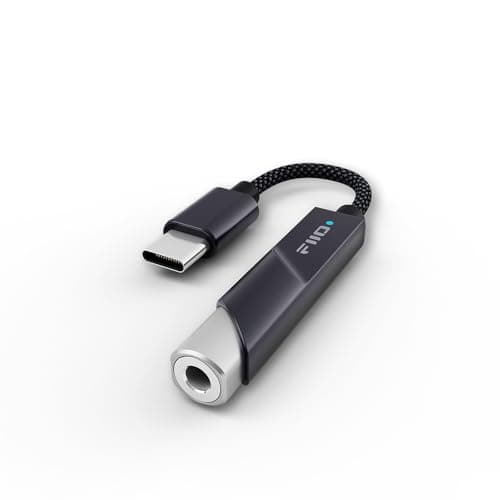
Why Is My Gaming Headset So Quiet?
The five causes of a quiet gaming headset, in the order to check them: per-app volume, Windows enhancements and loudness equalisation, a plug not fully seated, a front-panel jack with no power behind it, and a headphone whose sensitivity rating genuinely needs an amplifier.
4 products · 4 with live prices