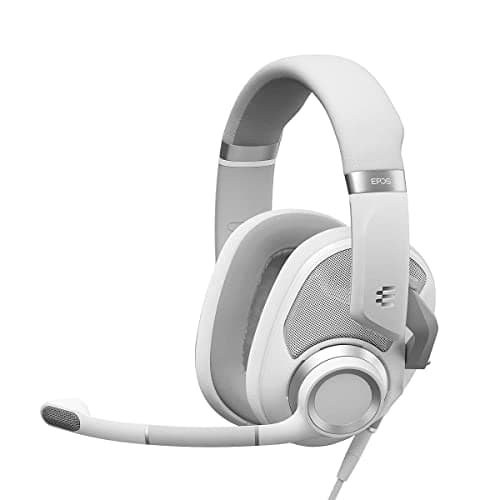
Top pick · Best for FPS
Tuned hard for competitive FPS, and it does not pretend to be anything else.
Price as of October 21, 2026. Prices change — Amazon's is the one that counts. #ad · we may earn a commission from this link to Razer BlackShark V2 Pro
This page has a different winner from our footsteps page, and the reason is the microphone. In a competitive shooter you have to call things out. A headphone that images beautifully and cannot transmit "he's pushing B" is not the best FPS headset — it is a great headphone with a hole in it.
So the ranking here optimizes for three things at once: positional accuracy, a microphone your team can actually understand, and no wireless latency. The Razer BlackShark V2 Pro wins because it is the least-compromised at all three, and because its tuning is genuinely built around the mid-treble where weapon and movement cues live.
If you can run a separate microphone, ignore this page and buy from the footsteps list — an open-back plus a modmic beats everything here on imaging. This page is for people who want one object, on their head, that does the whole job.
The short answer
#ad · Live prices from the Amazon Creators API, as of October 21, 2026. Where we have no verified live price, we show none — we would rather leave a gap than print a number that has rotted.
In detail
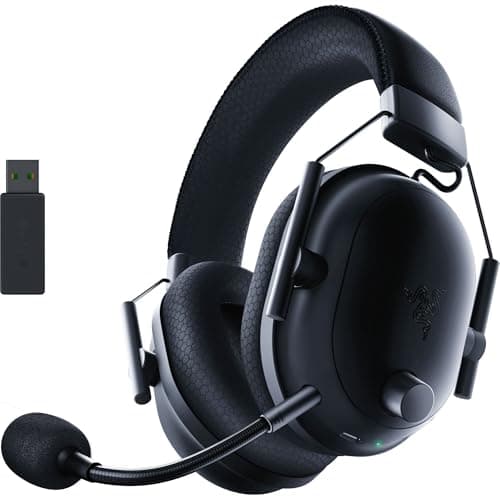
Competitive FPS, wireless
Wireless 2.4GHzSuper-wideband micRazer rates 70h batteryTriForce drivers
Tuned hard for competitive FPS, and it does not pretend to be anything else.
- Positional accuracy
- 8
- Footstep clarity
- 8
- Mic quality
- 9
- Comfort
- 8
- Value
- 8
Pros
- +The tuning genuinely emphasizes the mid-treble where weapon and movement cues live
- +The super-wideband mic is the best-sounding wireless gaming mic we found in this price band
- +Very light for a wireless closed-back
Cons
- −That competitive tuning makes music and cinematic audio sound thin — it is a specialist
- −Requires Razer Synapse to change anything meaningful
Don't buy this if…
…this is your only pair of headphones. It is tuned for a job, and that job is not enjoying a soundtrack.
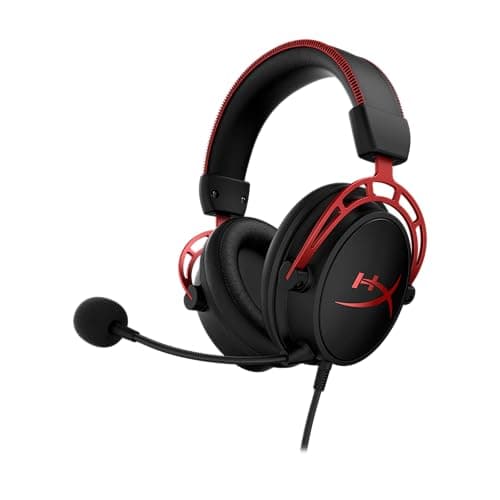
Open-back sound without a second purchase
Open acousticDetachable boom micWired 3.5mmLightweight
The compromise pick: open-back staging with a mic already attached.
- Positional accuracy
- 8
- Footstep clarity
- 8
- Mic quality
- 8
- Comfort
- 7
- Value
- 7
Pros
- +The only genuinely open-back design here that ships with a good microphone
- +The boom mic is a cut above the usual bundled effort
- +Light enough to forget you're wearing it
Cons
- −Costs more than the SHP9500 plus a decent clip-on mic would
- −Still leaks sound like any open back
- −Clamp force is firm out of the box
Don't buy this if…
…you wear glasses. The clamp is firm and it presses the arms into your temples — this is the single most common complaint in the owner reviews.
One thing that just works, on everything
Closed backDual-chamber driversDetachable mic3.5mm — works on anything
The default wired gaming headset, and the default for a reason.
- Positional accuracy
- 7
- Footstep clarity
- 7
- Mic quality
- 8
- Comfort
- 9
- Value
- 9
Pros
- +Plugs into a Deck, an Ally, a controller, a phone — no dongle, no software, no drivers
- +The memory-foam pads are the comfort benchmark at this price
- +Genuinely durable — the aluminum frame outlives the plastic competition
Cons
- −Closed back, so the soundstage is narrower than any open-back on this list
- −Bass-forward tuning can mask quiet detail if you don't EQ it
Don't buy this if…
…positional accuracy is the only thing you care about. A closed back is a structural handicap there, and an open-back pair plus a cheap mic beats it for the same money.
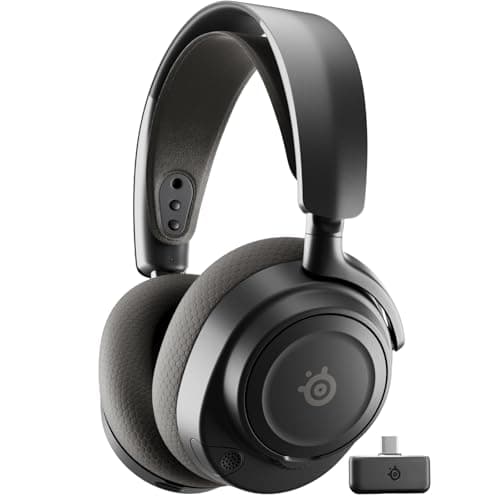
The best wireless all-rounder
2.4GHz + BluetoothSimultaneous dual audioRetractable micUSB-C dongle
The wireless headset most people should actually buy.
- Positional accuracy
- 7
- Footstep clarity
- 7
- Mic quality
- 8
- Comfort
- 9
- Value
- 9
Pros
- +Does the important 90% of the Nova Pro at a fraction of the price
- +Simultaneous 2.4GHz + Bluetooth is genuinely useful and rare at this price
- +The USB-C dongle plugs straight into a Steam Deck or an Ally
Cons
- −No hot-swap battery, so a dead headset means a cable
- −Closed back — the usual staging ceiling
Don't buy this if…
…you want the widest possible soundstage. This is a very good closed-back headset, and a closed-back headset is still the wrong tool for that job.
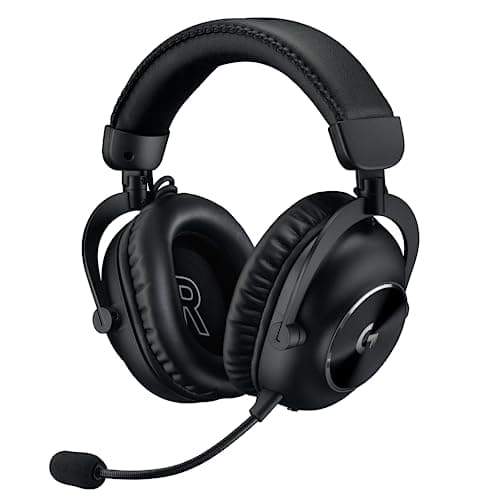
Wireless with a serious mic
Wireless LIGHTSPEED + BTGraphene driversDetachable boomLogitech rates 50h battery
Graphene drivers, esports pedigree, and a price that assumes you care about both.
- Positional accuracy
- 8
- Footstep clarity
- 7
- Mic quality
- 9
- Comfort
- 8
- Value
- 6
Pros
- +Battery life is long enough that you stop thinking about it
- +The detachable boom mic is among the best on any wireless headset
- +Memory foam and leatherette/velour options both in the box
Cons
- −Expensive, and the graphene drivers are a smaller upgrade than the marketing implies
- −Closed back — same structural staging ceiling as the rest
Don't buy this if…
…your budget is the constraint. The Arctis Nova 7 does the same job for less and you will not hear the difference in a firefight.
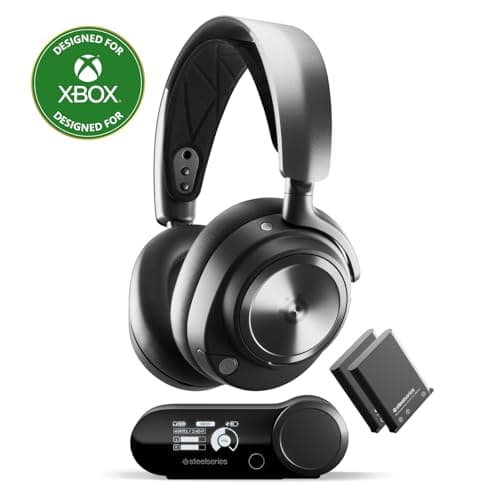
Buy-once, no-compromises wireless
Wireless 2.4GHz + BTHot-swap dual batteryANCBase station with parametric EQ
The one with everything. Whether you need everything is a different question.
- Positional accuracy
- 8
- Footstep clarity
- 7
- Mic quality
- 9
- Comfort
- 9
- Value
- 5
Pros
- +The hot-swap battery system means it is never out of charge — the second cell sits charging in the base
- +The base station's parametric EQ is a real tool, not a marketing slider
- +Simultaneous 2.4GHz and Bluetooth, so game audio and a phone call coexist
Cons
- −Extremely expensive — several times the cost of headsets that get you most of the way
- −Closed back, so it still cannot match an open-back for raw staging
- −The feature list is doing a lot of the selling here
Don't buy this if…
…you're buying it to hear footsteps better. A $90 open-back will out-locate this, and we'd rather lose the sale than let you spend four times as much for worse imaging.
What an FPS headset actually needs
Imaging first, but the mic is not optional
Positional accuracy wins fights, and a mic wins rounds. A pick that sacrifices the mic entirely is only correct if you are adding one separately — otherwise you have optimized one half of the job and abandoned the other.
Wired, or 2.4GHz — never Bluetooth
Bluetooth adds latency you will feel as a disconnect between what you see and what you hear. Every wireless pick here uses a dedicated 2.4GHz dongle, which is effectively latency-free. If a headset only does Bluetooth, it is not an FPS headset.
Beware the "competitive" tuning
Headsets tuned hard for footsteps push the mid-treble and thin out the low end. This genuinely works — and it makes music and single-player games sound harsh and lifeless. That is a real trade, and if this is your only pair of headphones you may not want to make it.
Comfort is a performance feature
You lose more rounds to fatigue than to a 2% imaging difference. Clamp force and weight matter over a three-hour session more than any spec on the box. If you wear glasses, this outranks almost everything else.
How we picked
We researched published specifications, third-party lab measurements, manufacturer documentation and aggregated owner reviews, then scored each product against a published rubric. The scores are judgments from documented research — they are not measurements we took, because we do not have a lab and we are not going to pretend we do. Where a number came from someone else's lab, we name them and link them in Sources.
Questions
What is the best headset for competitive FPS?+
The Razer BlackShark V2 Pro, if you want one device that does everything — its tuning emphasizes the mid-treble where weapon and movement cues live, and its microphone is genuinely good. If you can run a separate mic, an open-back headphone will out-image it for less money.
Is wireless bad for competitive gaming?+
Bluetooth is. A dedicated 2.4GHz dongle is not — the latency is low enough that it is not a competitive factor. Every wireless pick on this page uses 2.4GHz, and we would not recommend a Bluetooth-only headset for a shooter.
Do I need surround sound for FPS?+
No. Good stereo imaging on a well-tuned headphone gives your brain the timing and level cues it needs. Virtual surround may help you personally — it depends on how well the generic HRTF suits your ears — but it is not a requirement, and plain stereo is what most professionals use.
How much should I spend on an FPS headset?+
Less than you think. The imaging difference between a $90 headset and a $350 one is small; the difference in microphone, battery and build is where the money goes. Spend up if you want wireless convenience, not because you expect to hear better.
Receipts
We do not run a testing lab, and we do not pretend to. Where a measured number came from someone else's lab, we name them and link them. Where we could not verify something, we say so on the page rather than quietly leaving it out. Read our full method.