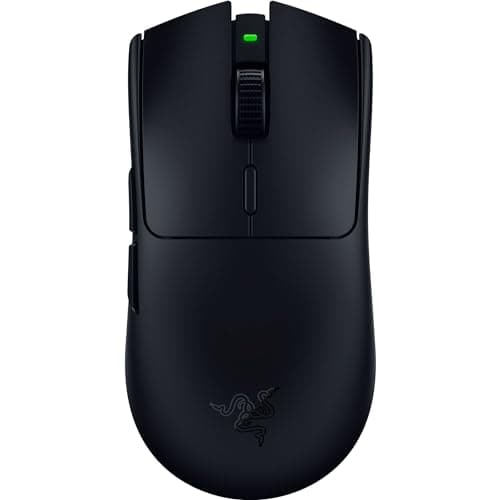
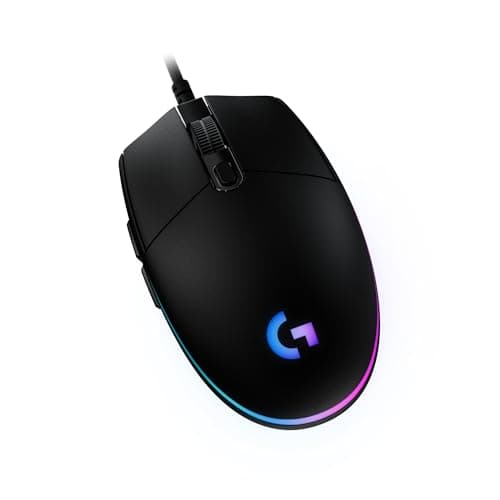
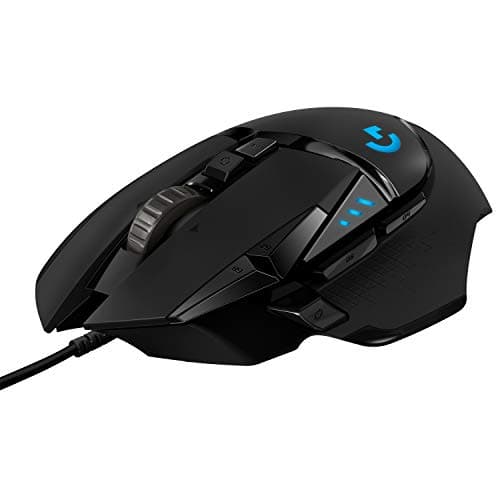
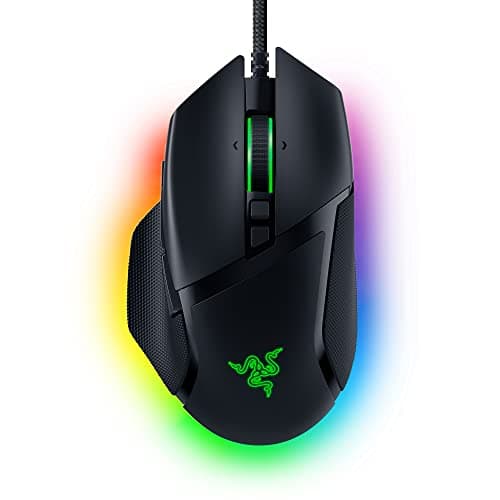
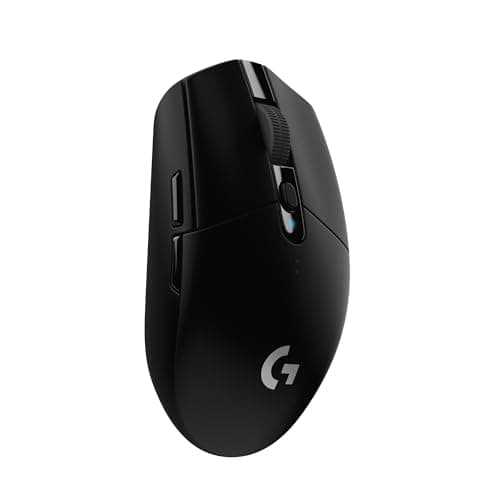
Buy the Logitech G305. It is wireless, it uses the same HERO sensor family Logitech puts in mice costing several times as much, and it runs for months on a single AA battery. If you play competitive shooters and can stretch a little further, the Razer Viper V3 HyperSpeed is genuine tournament hardware that has slipped under $50.
The sensor conversation is finished, and nobody told the marketing department
The single most useless number in this category is DPI. Every mouse on this page tracks flawlessly at any speed a human hand can produce. The differences between an 8,000 DPI sensor and a 26,000 DPI sensor are real in a laboratory and irrelevant in a game — nobody plays at 26,000 DPI, and nobody could aim if they did.
What that means is liberating: stop reading the spec sheet. Once the sensor is good enough — and at this price, they all are — the only things that still matter are the ones the spec sheet cannot tell you.
So rank on these instead
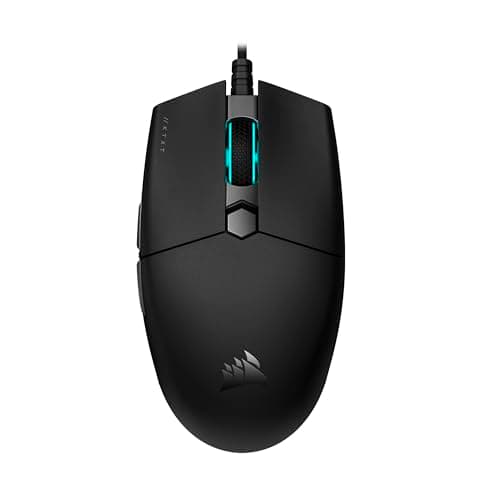
- Shape and size, matched to your hand. A mouse that is too small will cramp you. The G203 and KATAR are small; the G502 and Basilisk are large. This is the decision.
- Grip style. Palm grippers want a hump (DeathAdder, G502). Claw and fingertip grippers want something small and flat (KATAR, G203).
- Weight. Matters for flick-heavy shooters, and matters much less elsewhere. The G502 at 121g and the KATAR at 73g are different tools, not better and worse ones.
- Switch type. Optical switches (Viper V3) cannot develop the double-click fault that eventually kills most mechanical-switch mice. This is a durability advantage that nobody advertises properly.
How to actually pick one
Measure your hand. Seriously.
Length from the base of your palm to the tip of your middle finger. Under about 17cm, you want a small mouse (G203, KATAR PRO XT). Over about 19cm, you want a large one (G502, Basilisk V3). This single measurement will do more for your aim than any upgrade on this page.
Wireless is no longer a compromise
Logitech's LIGHTSPEED and Razer's HyperSpeed are genuinely as fast as a cable. The old advice that competitive players must use wired is out of date. What wireless still costs you is a little weight (the battery) and a little money.
Light matters, but only for one genre
In a flick-aim shooter, the difference between 73g and 121g is real and you will feel it. In an MMO, a strategy game or a single-player RPG, it is noise — and the heavy mouse probably has the buttons you actually want.
Spend the savings on a mousepad
A large cloth mousepad costs very little and will improve your consistency more than the gap between any two mice on this page. This is the least glamorous advice in this article and the most reliably true.
What not to pay for
DPI above ~3,000. RGB. Polling rates above 1,000Hz. Weights you will never move. Every one of these is a spec that exists to differentiate a product, not to help you play.