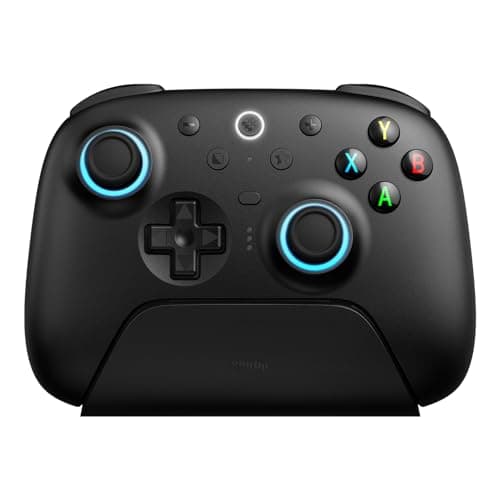
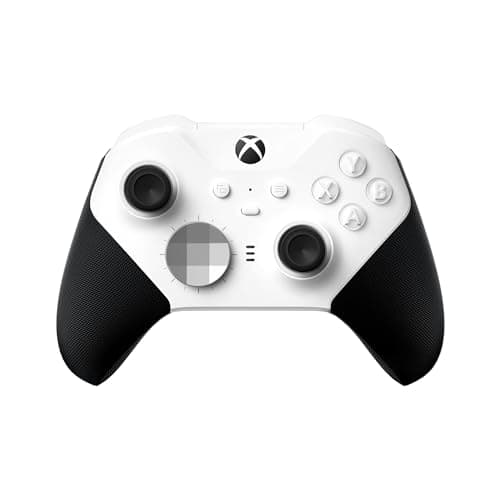
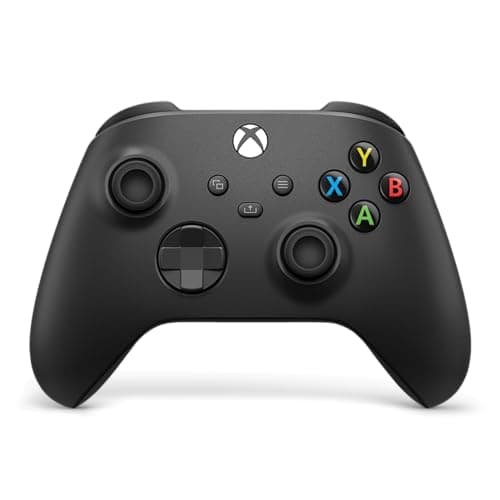
Buy the Xbox Wireless Controller. It pairs to Windows with zero fuss, every launcher and game already speaks its language, and the trigger and bumper feel is still the best in the category. If the thing you dread is stick drift, spend a little more on the 8BitDo Ultimate 2, which gives you Hall-effect sticks and a charging dock for roughly the price of the plain Xbox pad.
Almost every controller works on PC now — so stop ranking on that
A decade ago this article would have been short: buy an Xbox controller, because it was the only one Windows understood without a tangle of third-party drivers. That era is over. Between native Windows support, Bluetooth, and Steam's built-in controller layer, a PlayStation pad, an 8BitDo, a GameSir and an Xbox pad will all move a character around a screen the moment you connect them. “Does it work on PC” is no longer the question that separates them.
What still separates them is subtler, and it is where the marketing is quietest: how painlessly the controller is recognized, what its sticks are made of, how it is powered, and which genre-specific extras it carries. Those are the four things we ranked on, and they matter far more than the button count on the box.
The one spec that will actually change your next two years: the stick sensor
Nearly every controller failure people complain about is the same failure: stick drift — the character walks on its own, the camera creeps, the aim pulls to one side. It is not bad luck. Most controllers, including the standard Xbox and DualSense pads, use potentiometer sticks: a physical wiper dragging across a resistive strip. That strip wears, dust gets into it, and the reading at the center position stops being zero. Drift is not an if on a potentiometer stick; it is a when.
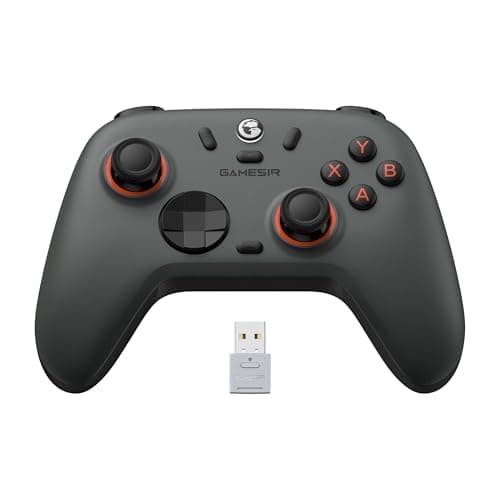
Hall-effectsticks solve it at the source. They read the stick's position with a magnetic sensor that never physically touches anything, so there is no wiper and nothing to wear out. That is the single most important reason to look past the first-party pads: the 8BitDo Ultimate 2, the GameSir Nova Lite 2 and the 8BitDo Pro 2 on this page all use Hall-effect sticks, and the Xbox and DualSense pads do not. If you have ever thrown out a controller because a stick started wandering, that is the feature you were actually shopping for — even if nobody sold it to you that way.
We are not telling you to skip the Xbox pad over this. First-party sticks last years for most people, and everything else about the Xbox controller is excellent. But if you play a lot, or you have been burned before, Hall effect is the honest reason to spend your money somewhere other than the obvious default.
So rank on these four things instead
- How cleanly it is recognized. An Xbox pad is what Windows, Game Pass and every launcher assume you are holding — it is plug-and-play everywhere. A DualSense sometimes needs Steam Input or a remapper before a game reads it correctly. Neither is wrong; one is just less fuss.
- Stick technology. Hall-effect (Ultimate 2, Nova Lite 2, Pro 2) versus conventional potentiometer (Xbox, DualSense, Elite). This is the drift decision above.
- How it is powered. The standard Xbox pad ships with AA batteries; the Elite, DualSense, Ultimate 2 and Nova Lite 2 have built-in rechargeable batteries, and the Ultimate 2 adds a charging dock so it is always topped up.
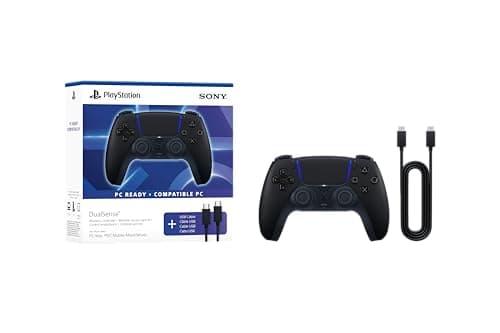
- The genre-specific extra.Back paddles for competitive play (Elite), a superb d-pad for 2D and fighting games (Pro 2), or haptics and adaptive triggers for single-player showcases (DualSense). Match the extra to what you actually play, or don't pay for it.
Wired or wireless? For most PC players, it genuinely doesn't matter
Modern 2.4GHz dongle wireless — the little USB receiver 8BitDo and GameSir include — is fast enough that you will not feel the difference from a cable in anything but a frame-perfect fighting game. Bluetooth adds a touch more latency and is the one connection worth avoiding for twitchy competitive play, but it is fine for everything relaxed. The practical rule: use the 2.4GHz dongle or a cable if you have one, treat Bluetooth as the convenient couch option, and stop worrying about it beyond that. One real exception — the DualSense's haptics and adaptive triggers generally need a wired USB connection to work fully on PC, so if those are why you are buying it, plan to plug in.
One category this page does not cover, because it is ranked on different criteria entirely: controllers chosen for accessibility rather than for feature count. Our best accessibility controllers page looks at remapping, one-handed use, button size and actuation force, which are the specifications that matter there.
One genre deserves its own list, because it uses almost none of what this page ranks. Fighting games live on the d-pad and the face buttons, which is what our best controllers for fighting games page is built around.
How to actually pick one
Start from what you play, not the spec sheet
Controllers are more genre-specific than any other peripheral. A pad that is perfect for a racing game is a poor tool for a 2D fighter. Decide what you spend most of your hours on first, then let that pick the controller:
- 3D, first-person and big AAA games: the Xbox Wireless Controller or the 8BitDo Ultimate 2. Full-size, comfortable for long sessions, and the layout every one of those games was designed around.
- 2D platformers, fighting games and emulation: the 8BitDo Pro 2. Its d-pad is the reason it exists, and it is the part that decides these genres.
- Story-driven single-player showcases: the DualSense, in the specific games that support its haptics and adaptive triggers. In everything else it is a good ordinary pad, so buy it for the showcases, not as your do-everything controller.
- Competitive players who will remap paddles: the Elite Series 2 Core — and only if you will genuinely use the back paddles. They are the entire reason to pay its price.
- Tightest budget: the GameSir Nova Lite 2. You get the Hall-effect sticks that matter and give up polish you can live without.
Measure the drift risk against how much you play
If you game a couple of hours a week, a first-party potentiometer pad will very likely outlast your interest in it, and the Xbox controller is the easy call. If you game daily, or you have already binned one controller to drift, the Hall-effect sticks on the Ultimate 2 or Nova Lite 2 are the difference between a controller that lasts and one that becomes landfill on a schedule.
Don't over-buy the premium pad
The Elite Series 2 Core is the best-feeling controller here, and for most people it is still the wrong purchase. The paddles and adjustable triggers are real advantages only if you will take the time to map them and build the muscle memory to use them. If you won't, you are paying two to three times the price of a standard pad for a heavier version of the same thing. Buying up the range only makes sense when you will use what the extra money buys.
Batteries are a bigger deal than they sound
The standard Xbox pad's AA batteries are the one genuinely dated thing about it. It is not a dealbreaker — rechargeable AAs or a first-party battery pack fix it cheaply — but every other controller here charges over USB-C out of the box, and the Ultimate 2's dock means it is never flat when you sit down. Factor the cost of a battery solution into the Xbox pad's price when you compare.
What not to pay for
RGB lighting. “Pro” branding with no paddles or Hall-effect sticks behind it. Turbo-fire buttons you will never bind. Sky-high polling-rate claims that Bluetooth cannot actually deliver. As with every category on this hub, the specs that get top billing on the box are usually the ones that change your experience the least — spend on the stick sensor, the comfort and the one extra your genre needs, and ignore the rest.