Skip to content
GEAREDGAMING

HUB 02 · Gaming Audio

The Best Headphones for Gaming and Music

The headphone that hears footsteps best is often miserable to listen to music on. If you only want one pair, you are shopping for the overlap, not the peak.

By Stephen V.Updated How we research
#ad

We earn a commission when you buy through our Amazon links, at no extra cost to you. It never affects our rankings, and we say so when the cheaper product is the better buy. How this works.

Top pick · Best for Gaming and Music

Audio-Technica Audio-Technica ATH-M50x

Audio-Technica ATH-M50x

5.2/10

A studio monitor that got adopted by gamers. Closed, accurate, no mic.

Price as of October 21, 2026. Prices change — Amazon's is the one that counts. #ad · we may earn a commission from this link to Audio-Technica ATH-M50x

Verdict

The short version

If you want one pair for gaming and music, buy the Audio-Technica ATH-M50x — a closed-back studio monitor with a detachable cable and a 38 Ohm rating that runs off anything. It is the pick because it is genuinely good at both rather than excellent at one: accurate enough that music sounds right, closed so it does not leak into your microphone or annoy the room, and built to survive years. It is the right buy for someone who listens to music as much as they play, in a room with other people in it.

The trade you are making is positional precision. The headphones that hear footsteps best are open-back and often bass-light, and those same properties make them thin for music and leaky in a shared room. If you accept the leak, the Philips Fidelio X3is the best open-back compromise here — wide staging with real low end — and the Sennheiser HD 599 is the most comfortable pair on the page and the most forgiving for long listening. The HIFIMAN HE400se is the technical pick if you already own an amp, and the Philips SHP9500is the budget answer. One warning: do not buy a competitive specialist like the AKG K702 for this job — it images beautifully and sounds joyless on music.

Compare

Specs and prices at a glance

#ProductKey specsBest forPrice
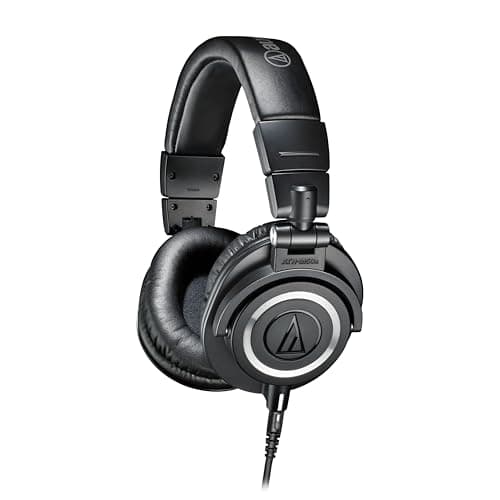
01Audio-Technica ATH-M50x

Audio-Technica

  • Closed back
  • 38 Ohm
  • Detachable cable
  • No microphone
One pair for gaming and music$159.00 on Amazon →
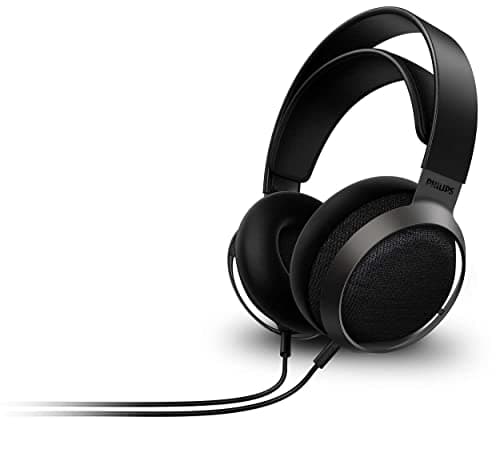
02Philips Fidelio X3

Philips

  • Open back
  • 30 Ohm
  • 50mm drivers
  • No microphone
Open-back staging with real bass$149.99 on Amazon →
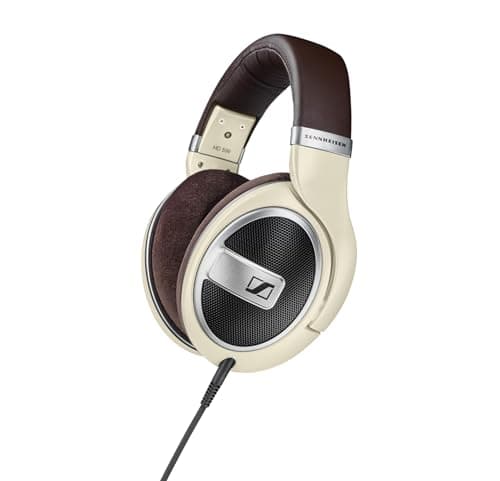
03Sennheiser HD 599

Sennheiser

  • Open back
  • 50 Ohm · 106dB
  • 12Hz–38kHz
  • No microphone
All-day comfort$226.73 on Amazon →
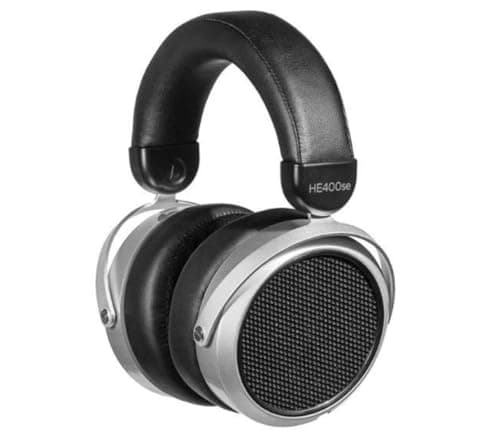
04HIFIMAN HE400se

HIFIMAN

  • Open back
  • Planar magnetic
  • 32 Ohm · 91dB
  • 385g
Technicalities per dollar$109.00 on Amazon →
05Philips SHP9500

Philips

  • Open back
  • 32 Ohm
  • Over-ear
  • No microphone
Positional audio on a budgetCheck Price on Amazon →

#ad · Specs as published by the manufacturer or the Amazon listing. Live prices from the Amazon Creators API, as of October 21, 2026. Where we have no verified live price we show none, rather than print a number that has rotted.

The reason “best for gaming” and “best for music” produce different answers is that the two uses want opposite tunings. Competitive game audio rewards a bass-light, detail-forward response, because low-end energy is exactly what masks a quiet footstep. Music rewards the low end being present and correct. You cannot have both at the maximum, so a one-pair buyer is shopping for the best overlap. This page ranks that overlap honestly, including telling you which of our own recommendations elsewhere is the wrong purchase here.

Everything on this page is a headphone rather than a headset: no attached microphone. That is deliberate, and it is the first decision to make.

Headphones or a headset, if you need a mic

A gaming headset is a headphone with a boom mic bolted on, and the bolt-on is where most of the cost compromise lands — at any given price, the headphone part of a headset is worse than a standalone headphone, because some of the budget went on the microphone and the wireless.

If you need voice chat, you have three options. Buy a headset and accept the audio compromise — our best wireless gaming headsetspage is that route. Buy headphones and a clip-on or boom microphone, which is what most people on this page do. Or buy headphones and a standalone desk microphone, which sounds dramatically better than any headset mic and is the right answer if you also stream — see best microphones for gaming. Our headset vs headphones guide works through the whole comparison.

Why a competitive tuning is bad for music

Positional accuracy in games comes from your brain comparing the sound arriving at each ear — the sound localization mechanism our footstep audio guide covers in detail. Two headphone properties help it: an open back, which reduces the resonances a sealed cup adds and widens the apparent stage, and a restrained bass response, which leaves quiet mid-and-high-frequency cues unmasked.

Both of those are liabilities for music. Bass-light means thin and unsatisfying on most modern recordings. Open-back means the sound leaks out, so everyone near you hears it and your microphone picks it up. A headphone optimised to win gunfights is a headphone you will stop reaching for when you just want to listen to something, and that is the specific failure this page is trying to prevent. Our best headsets for hearing footsteps page is where to go if winning gunfights is the whole point and music is not.

Open-back or closed-back: the real cost

An open-back headphone has perforated outer cups, so air moves freely and sound passes both ways. The upsides are a wider, more natural stage and less of the boxy resonance a sealed cup can add. The downsides are not subtle: everyone in the room hears what you are listening to, and you hear the room. If you share a space, or if you game at night next to someone asleep, open-back is not a preference problem — it is unusable.

A closed-back headphone contains the sound. The best closed designs give up less staging than the stereotype suggests, which is exactly why a closed studio monitor leads this page. Our open vs closed back guide has the long version, and best open-back headphones for gaming is the page if you have decided the leak is acceptable.

Impedance and sensitivity: the spec that decides if you need an amp

This is where one-pair buyers get caught, because the commonly-quoted number is the wrong one. Impedance, in ohms, is only half the picture; sensitivity — how loud the headphone gets for a given input — is what actually decides whether your motherboard, phone or handheld can drive it.

The HE400se on this page is the clean illustration: HIFIMAN lists it at 32 Ohm, which looks like it will run off anything, and at 91dB sensitivity, which means it will not. Underpowered, a planar headphone just sounds quiet and flat, and you conclude the technology is overrated when what you actually did was under-feed it. By contrast Sennheiser rates the HD 599 at 50 Ohm and 106dB, and Philips rates the Fidelio X3 at 30 Ohm and 100dB/mW — both drive properly from a laptop or a Steam Deck with nothing added.

If you do end up needing one, a cheap dongle DAC is usually enough and a desk amp is a considered purchase rather than a default. Our do you need a DAC and impedance and amps explained guides are the two pages that settle it, and best DACs for gaming is the shortlist if the answer is yes.

What we are not claiming

Every spec on this page is a manufacturer figure from the live listing or the maker's own documentation, and every judgment is a judgment from documented research — published measurements from RTINGS and Audio Science Review, maker documentation, and aggregated owner reports. We do not run a lab and we have not measured any of these. Where a figure came from someone else's lab, it is named and linked in Sources, and our methodology page states the rubric.

Which one to buy

You listen to music as much as you play, in a shared room: the closed-back ATH-M50x. It is the least compromised answer to the actual question.

You play a lot of shooters but want music to sound good too, and the leak is fine: the Fidelio X3. Open staging with the bass open-backs are usually accused of lacking.

Comfort over everything, long sessions, mostly single-player:the HD 599. The most wearable pair here, and the least competitive one — both are true.

You already own a DAC or amp and want maximum technical performance per dollar: the HE400se. Budget the amp before you budget the headphone.

Smallest budget: the SHP9500, which has been the enthusiast answer for a decade and costs a fraction of everything above it.

Adjacent pages worth reading: best wired gaming headsets if you decide you want the mic attached after all, most comfortable gaming headsets if fit is your priority, and how to choose a gaming headset for the decision framework in full.
The short answer

Quick picks

#ProductBest forScorePrice
01
Audio-Technica Audio-Technica ATH-M50x
Audio-Technica ATH-M50x

A studio monitor that got adopted by gamers. Closed, accurate, no mic.

One pair for gaming and music
5.2
$159.00 on Amazon →
02
Philips Philips Fidelio X3
Philips Fidelio X3

The open-back step up that still runs off anything you own.

Open-back staging with real bass
6.4
$149.99 on Amazon →
03
Sennheiser Sennheiser HD 599
Sennheiser HD 599

The comfortable one, and the least competitive one. Both are true.

All-day comfort
6.0
$226.73 on Amazon →
04
HIFIMAN HIFIMAN HE400se
HIFIMAN HE400se

The most headphone per dollar here — if you also buy the amp it needs.

Technicalities per dollar
6.4
$109.00 on Amazon →
05
Philips SHP9500

The budget open-back that has been the enthusiast answer for a decade.

Positional audio on a budget
6.8
Check Price on Amazon →

#ad · Live prices from the Amazon Creators API, as of October 21, 2026. Where we have no verified live price, we show none — we would rather leave a gap than print a number that has rotted.

In detail

The picks, in full

01
Audio-Technica Audio-Technica ATH-M50x

One pair for gaming and music

Audio-Technica ATH-M50x

Closed back38 OhmDetachable cableNo microphone
5.2/10

A studio monitor that got adopted by gamers. Closed, accurate, no mic.

Positional accuracy
6
Footstep clarity
6
Mic quality
0
Comfort
7
Value
7

Pros

  • Genuinely good at everything — the rare headphone that does games and music equally well
  • Closed back, so it doesn't leak and doesn't annoy the room
  • Built to survive a decade of studio abuse

Cons

  • No mic
  • Closed back with a fairly narrow stage — not a positional-audio specialist
  • Clamps hard for the first month

Don't buy this if…

…you want the best footstep audio for the money. This is a great headphone that is merely fine at the one job this page is about.

$159.00View on Amazon

Price as of October 21, 2026. Prices change — Amazon's is the one that counts.

#ad · we may earn a commission from this link to Audio-Technica ATH-M50x

02
Philips Philips Fidelio X3

Open-back staging with real bass

Philips Fidelio X3

Open back30 Ohm50mm driversNo microphone
6.4/10

The open-back step up that still runs off anything you own.

Positional accuracy
8
Footstep clarity
8
Mic quality
0
Comfort
8
Value
8

Pros

  • Philips rates it at 30 Ohm and 100dB/mW — it drives properly off a Deck, a phone or a motherboard jack, with no amp to buy
  • The 50mm drivers are angled toward the ear rather than firing straight at it, which is Philips' stated reason for the wider stage
  • Has the low end open backs are usually accused of lacking, so it doesn't fall apart on anything that isn't a shooter
  • Build is a genuine step up from the budget picks — metal, velour and a replaceable cable

Cons

  • No microphone. A clip-on is another purchase on top
  • Heavier than the SHP9500, and you notice it in hour three
  • Costs meaningfully more than the SHP9500 for a positional difference most players will not hear
  • Leaks exactly as much as every other open back here

Don't buy this if…

…you are buying it specifically to hear footsteps better than the SHP9500 does. It is the nicer headphone in almost every other way, and that particular job is not one of them.

$149.99View on Amazon

Price as of October 21, 2026. Prices change — Amazon's is the one that counts.

#ad · we may earn a commission from this link to Philips Fidelio X3

03
Sennheiser Sennheiser HD 599

All-day comfort

Sennheiser HD 599

Open back50 Ohm · 106dB12Hz–38kHzNo microphone
6.0/10

The comfortable one, and the least competitive one. Both are true.

Positional accuracy
8
Footstep clarity
6
Mic quality
0
Comfort
10
Value
6

Pros

  • The most comfortable headphone on this list by a clear margin — big velour cups, light clamp, genuinely wearable for a whole weekend
  • Sennheiser rates it 50 Ohm at 106dB, so it runs off a laptop or a handheld with nothing added
  • The warm, forgiving tuning makes long single-player sessions pleasant rather than fatiguing
  • Detachable cable

Cons

  • The warmth costs you competitively: low-end bloom is precisely what buries a quiet footstep
  • The most expensive pick here and the least competitive one — an awkward combination
  • The ivory colorway is divisive and it is the one most widely stocked
  • No microphone

Don't buy this if…

…you bought it to climb a competitive ladder. Its tuning is working against you there, and the SHP9500 costs a fraction of it and hears more.

$226.73View on Amazon

$239.956% off

Price as of October 21, 2026. Prices change — Amazon's is the one that counts.

#ad · we may earn a commission from this link to Sennheiser HD 599

04
HIFIMAN HIFIMAN HE400se

Technicalities per dollar

HIFIMAN HE400se

Open backPlanar magnetic32 Ohm · 91dB385g
6.4/10

The most headphone per dollar here — if you also buy the amp it needs.

Positional accuracy
9
Footstep clarity
9
Mic quality
0
Comfort
6
Value
8

Pros

  • A planar magnetic driver at this price is genuinely unusual, and the driver is the reason to buy it
  • Planar transients start and stop cleanly, which is exactly the property a quiet, broadband cue like a footstep depends on
  • HIFIMAN's own spec sheet lists 32 Ohm — on paper it looks like it will run off anything

Cons

  • That 32 Ohm figure is misleading on its own: the sensitivity is 91dB, and THAT is the spec that decides whether your source can drive it. A phone or a Deck will not do it justice
  • So budget an amp or a decent DAC. That is a second purchase, and it changes the real price of this headphone
  • HIFIMAN lists it at 385g, and the weight sits on the top of your head
  • Build is basic — headband and cups feel like what they cost. No microphone either

Don't buy this if…

…you do not already own a headphone amp or a decent DAC and do not intend to buy one. At 91dB sensitivity this is not a plug-into-a-handheld headphone — underpowered it just sounds quiet and flat, and you will conclude planars are overrated when what you actually did was under-feed one.

$109.00View on Amazon

Price as of October 21, 2026. Prices change — Amazon's is the one that counts.

#ad · we may earn a commission from this link to HIFIMAN HE400se

05

Positional audio on a budget

Philips SHP9500

Open back32 OhmOver-earNo microphone
6.8/10

The budget open-back that has been the enthusiast answer for a decade.

Positional accuracy
8
Footstep clarity
8
Mic quality
0
Comfort
8
Value
10

Pros

  • Open back at a fraction of the DT 990's price — the structural advantage without the tax
  • 32 Ohm, so it actually runs off a phone, a Deck or a motherboard
  • Detachable cable and a huge, cheap aftermarket of pads and boom mics

Cons

  • No mic — budget a clip-on or a modmic on top
  • Build is plasticky, and it creaks
  • Leaks sound as badly as any open back

Don't buy this if…

…you need a microphone and a single purchase. Add a boom mic and the total creeps toward a proper wireless headset.

Check price on Amazon →

We don't have a verified live price for this right now, so we aren't showing one.

#ad · we may earn a commission from this link to Philips SHP9500

How we picked

We do not run a testing lab

We researched published specifications, third-party lab measurements, manufacturer documentation and aggregated owner reviews, then scored each product against a published rubric. The scores are judgments from documented research — they are not measurements we took, because we do not have a lab and we are not going to pretend we do. Where a number came from someone else's lab, we name them and link them in Sources.

Questions

Frequently asked

What are the best headphones for both gaming and music?
A closed-back studio monitor like the Audio-Technica ATH-M50x is the least compromised single pair: accurate enough that music sounds right, closed so it does not leak into your mic or the room, and easy to drive from any source. The headphones that hear footsteps best are open-back and bass-light, which makes them worse for music and unusable in a shared room.
Are open-back headphones good for music?
They can be excellent, with a wider and more natural stage than most closed designs. The cost is that they leak in both directions — everyone near you hears your music, and your microphone picks it up. If you share a room, closed-back is the practical answer regardless of which sounds better in isolation.
Do I need an amp for gaming headphones?
Usually not, but check sensitivity rather than impedance. A headphone rated 32 Ohm at 91dB sensitivity needs real power despite the low impedance figure, while one rated 50 Ohm at 106dB drives fine from a laptop. If you do need help, a cheap dongle DAC is normally enough.
Should I buy headphones or a gaming headset?
At the same price, the headphone part of a headset is worse than a standalone headphone, because the budget also paid for the mic and the wireless. If you need voice chat, buy headphones plus a clip-on or desk microphone for better sound, or buy a headset and accept the compromise for the convenience.
Is a competitive gaming headphone bad for music?
Often, yes. Bass-light tuning is a competitive advantage because low-end energy masks quiet footsteps, and it is a liability on music, where it sounds thin. A specialist like the AKG K702 images beautifully in a shooter and is joyless on anything else — which is exactly why it is not a pick on this page.

Keep reading

Receipts

Sources

We do not run a testing lab, and we do not pretend to. Where a measured number came from someone else's lab, we name them and link them. Where we could not verify something, we say so on the page rather than quietly leaving it out. Read our full method.