Skip to content
GEAREDGAMING

HUB 02 · Gaming Audio

The Best Microphones for Gaming

The biggest question here is not which mic sounds best in a studio. It is which mic sounds best in YOUR room -- and that comes down to condenser versus dynamic.

By Stephen V.Updated How we research
#ad

We earn a commission when you buy through our Amazon links, at no extra cost to you. It never affects our rankings, and we say so when the cheaper product is the better buy. How this works.

Buy the HyperX QuadCast 2 S. It is the rare mic that sounds clean straight out of the box with nothing to add -- the shock mount and pop filter are already built in -- and the controls you actually reach for, a tap-to-mute sensor and a gain dial, are on the mic itself. But before you buy any condenser, read the next section, because if your room is loud or bare-walled the honest recommendation is not the QuadCast at all -- it is the dynamic FIFINE AM8.

The most important decision on this page is not brand, price or looks. It is condenser versus dynamic, and it is really a question about your room rather than your voice. Get this one right and any of these mics will make you sound dramatically better than a headset ever could. Get it wrong and you will buy a highly-rated microphone that faithfully broadcasts your keyboard, your fan and the echo off your walls to everyone in the lobby. The QuadCast and the Blue Yeti are condensers; the FIFINE AM8 is a dynamic; and understanding why that single word changes everything is the whole point of what follows.

Condenser versus dynamic: the only decision that really matters

A condenser capsule is sensitive. It hears detail, air and nuance -- and it also hears the whole room. In a quiet, soft-furnished space it sounds richer and more “professional” than a dynamic, which is why studios use them. In a room with a loud PC, a mechanical keyboard, a housemate through the wall or hard, echoey walls, that same sensitivity works against you. A dynamic capsule is deliberately less sensitive: it is built to hear what is close and directly in front of it and to reject almost everything else. That is why live vocalists and podcasters in untreated rooms reach for dynamics.

  • Choose a condenser if your room is quiet and fairly soft. Carpet, curtains, a sofa, no roaring PC fan a foot from the mic. The QuadCast 2 S, the Blue Yeti, the Razer Seiren V3 Mini and the FIFINE A6V are all condensers, and in the right room they reward you with a fuller, more detailed voice.
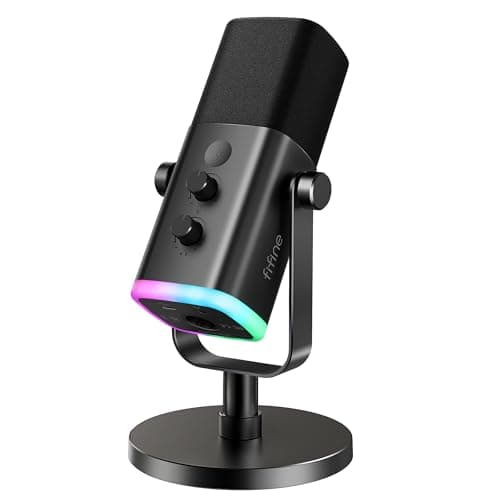
  • Choose a dynamic if your room is noisy or bare.The FIFINE AM8 is the dynamic here, and its capsule makes the fan, the keyboard and the room echo largely disappear. It asks one thing in return: you have to sit close, about a hand's width away, or your voice sounds thin and distant. If you can live with that, it is the most forgiving mic on this page.

This is why the QuadCast wins overall but does not win for everyone. It is the best-sounding, best-equipped mic here in a good room. Put it in a bad one and the AM8 will make you sound better for less money, because a clean signal from a modest dynamic beats a detailed signal drowning in room noise every single time. Be honest about your space before you spend.

Why a standalone mic beats a headset mic, always

If you are here at all, you have already half-decided, but it is worth being clear about why the upgrade is so large. A headset mic is a tiny electret capsule bolted to a boom, engineered to be cheap, light and good enough for a squad call. Every mic on this page -- including the cheapest, the FIFINE A6V -- uses a far larger capsule, sits in open air rather than clamped to your head, and is designed first and foremost to capture a voice well. The jump in clarity, warmth and presence is not subtle; it is the difference between sounding like you are on a phone and sounding like you are in the room. A standalone mic is also the one audio upgrade your teammates and viewers hear more than you do, which is exactly why it is worth doing properly.

The USB-to-XLR question, and where each pick lands

Most people should buy USB and never think about it again -- it is one cable into the PC, no extra hardware, and it is what four of these five mics are. But if there is any chance you will grow into a proper streaming setup with a mixer or an audio interface, the FIFINE AM8 is the only mic here that is both USB and XLR: plug it in over USB today, and the same microphone moves to an XLR interface later without being replaced. That upgrade path is a genuine reason to prefer it even beyond its room-noise advantage.

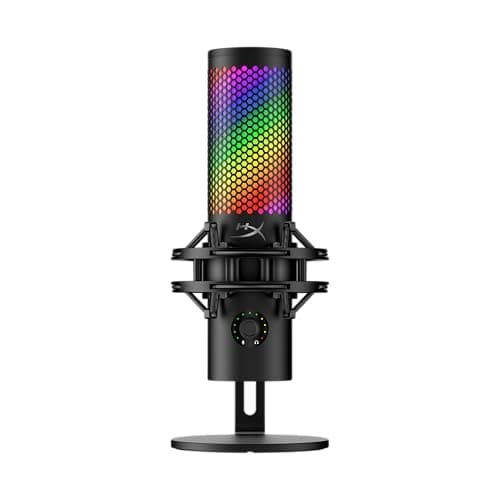
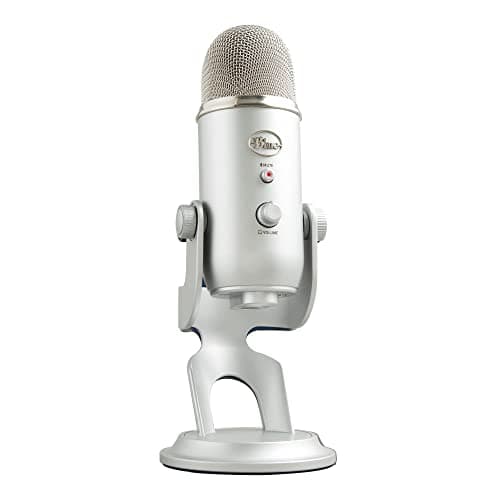
The QuadCast 2 S is the all-rounder to beat: integrated shock mount and pop filter, a tap-to-mute sensor, a gain dial and selectable pickup patterns for solo, two-person or instrument recording. Its honest costs are that it hears the room like any condenser, it takes up real desk space, and it asks more money than the value picks for a difference casual listeners on a stream may not catch. The Blue Yeti has been the default USB mic for a decade for a reason: four polar patterns make it a podcast, interview and instrument mic as well as a game mic, and it is genuinely plug-and-play with an onboard gain knob and a headphone jack. Its included desk stand, though, transmits every keyboard thump and mouse bump straight into the recording, so it really wants a boom arm.

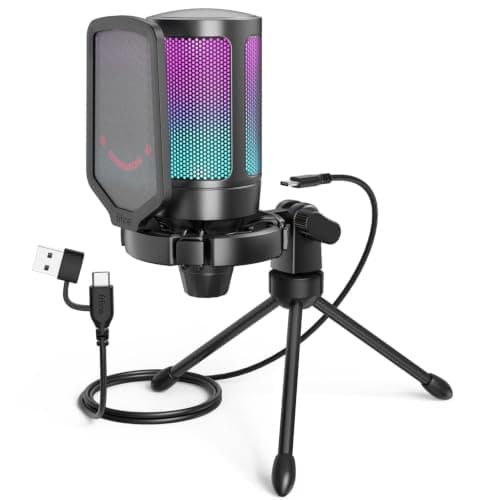
The FIFINE AM8 is the dynamic value champion covered above -- the pick for loud rooms and the only USB-plus-XLR mic here. The Razer Seiren V3 Mini is the compact pick: small enough to vanish on a desk, with a supercardioid pattern that narrows pickup toward your voice, but it drops the onboard gain knob and pattern switch, so you set levels in software rather than on the mic. And the FIFINE A6V is the cheapest real upgrade over a headset mic -- a proper cardioid condenser with onboard gain and tap-to-mute and the RGB people buy it for, held back only by a light, plasticky build and a bare capsule that needs a reasonably quiet room. It is the best cheap starting point; the QuadCast is the one you keep.

Pickup patterns: how much of the room the mic listens to

After condenser versus dynamic, the next thing worth understanding is the polar pattern -- the shape of the area a mic listens to. For a solo gamer or streamer you want cardioid, which listens forward and rejects what is behind and to the sides. That is the pattern you should be in ninety-nine percent of the time, and it is what the FIFINE AM8 and FIFINE A6V give you, full stop. The Razer Seiren V3 Mini goes a step tighter with a supercardioid pattern, narrowing the pickup even further toward your mouth, which helps in a slightly livelier room at the cost of punishing you if you drift off-axis.

The QuadCast 2 S and the Blue Yeti add switchable patterns on top -- omnidirectional, bidirectional and, on the Yeti, stereo -- and it is worth being honest about what those are for. They are genuinely useful if you record two people at one desk, run an in-person interview, or mic an instrument. They do nothing for a solo gamer, and knocking a mic out of cardioid by accident is a common way to end up sounding hollow and distant with no idea why. Treat the extra patterns as a bonus for a second use case, not as a reason to pay more: if you only ever talk into the mic yourself, a fixed-cardioid mic loses you nothing, and one less dial is one less thing to set wrong.

The short answer

Quick picks

#ProductBest forScorePrice
01
HyperX HyperX QuadCast 2 S
HyperX QuadCast 2 S

The one to buy if you want a mic that looks the part and needs no extras — the shock mount and pop filter are already on it.

Best all-rounder
8.2
$116.26Amazon
02
Blue (Logitech) Blue Yeti USB Microphone
Blue Yeti USB Microphone

The default USB mic for a decade for a reason: four pickup patterns, truly plug-and-play, and it still sounds good.

Best for versatility
8.2
$99.99Amazon
03
FIFINE FIFINE AmpliGame AM8
FIFINE AmpliGame AM8

A dynamic mic at a condenser-budget price. If your room is loud, this is the honest recommendation over anything on this list.

Best for noisy rooms
8.0
$56.99Amazon
04
Razer Razer Seiren V3 Mini
Razer Seiren V3 Mini

A tiny, tidy condenser that gets a clean voice onto a stream with zero fuss and almost no desk footprint.

Best compact pick
7.4
$40.99Amazon
05
FIFINE FIFINE AmpliGame A6V
FIFINE AmpliGame A6V

The cheapest real upgrade over a headset mic. It won't win awards, but it puts a proper cardioid condenser on your desk for very little.

Best on a budget
7.2
$32.99Amazon

#ad · Live prices from the Amazon Product API, as of Jul 30, 2026. Where we have no verified live price, we show none — we would rather leave a gap than print a number that has rotted.

In detail

The picks, in full

01
HyperX HyperX QuadCast 2 S

Best all-rounder

HyperX QuadCast 2 S

USB-C condenserRGB + tap-to-muteBuilt-in shock mountMultiple polar patterns
8.2/10

The one to buy if you want a mic that looks the part and needs no extras — the shock mount and pop filter are already on it.

Sound quality
9
Build quality
9
Features
9
Ease of use
8
Value
6

Pros

  • Ships with an integrated shock mount and internal pop filter, so it sounds clean out of the box with nothing to add
  • Tap-to-mute sensor on top and a gain dial underneath — the controls you actually reach for are on the mic
  • Selectable pickup patterns cover solo streaming, a two-person desk and instrument recording

Cons

  • A condenser capsule hears the whole room, so an untreated, echoey space works against it
  • Costs meaningfully more than the value picks for a difference most listeners on a stream won't notice
  • The stand takes up real desk space; you'll likely still want a boom arm

Don't buy this if…

your room is noisy or bare-walled. A condenser this sensitive will pick up the fan, the keyboard and the echo — a dynamic mic like the FIFINE AM8 rejects all of that far better.

$116.26View on Amazon

$199.9942% off

Price as of Jul 30, 2026. Prices change — Amazon's is the one that counts.

#ad · we may earn a commission from this link to HyperX QuadCast 2 S

02
Blue (Logitech) Blue Yeti USB Microphone

Best for versatility

Blue Yeti USB Microphone

USB condenser4 polar patternsPlug-and-playDesktop stand
8.2/10

The default USB mic for a decade for a reason: four pickup patterns, truly plug-and-play, and it still sounds good.

Sound quality
8
Build quality
8
Features
9
Ease of use
9
Value
7

Pros

  • Four polar patterns (cardioid, omni, bidirectional, stereo) make it a podcast, interview and instrument mic as well as a game mic
  • Genuinely plug-and-play on Windows and Mac with an onboard gain knob and headphone jack
  • A long, proven track record — the accessories and support ecosystem is enormous

Cons

  • The included desk stand transmits every keyboard thump and mouse bump straight into the recording
  • As a condenser it captures room noise readily, so it rewards a quiet space
  • Big and heavy — it dominates a desk and really wants a boom arm

Don't buy this if…

you'll run it on the same desk you type on without a boom arm or shock mount. It picks up vibration badly — a dynamic mic, or a Yeti on an arm, is the fix.

$99.99View on Amazon

$139.9929% off

Price as of Jul 30, 2026. Prices change — Amazon's is the one that counts.

#ad · we may earn a commission from this link to Blue Yeti USB Microphone

03
FIFINE FIFINE AmpliGame AM8

Best for noisy rooms

FIFINE AmpliGame AM8

USB + XLR dynamicCardioidTap-to-mute + RGBHeadphone monitor
8.0/10

A dynamic mic at a condenser-budget price. If your room is loud, this is the honest recommendation over anything on this list.

Sound quality
8
Build quality
7
Features
8
Ease of use
8
Value
9

Pros

  • A dynamic capsule rejects background noise — fans, keyboards and room echo largely disappear
  • USB now, XLR later: the same mic grows into an audio-interface setup without being replaced
  • Onboard tap-to-mute, a gain dial and real-time headphone monitoring

Cons

  • Dynamics need you close — a hand's width away — or your voice sounds thin and distant
  • Less bright and 'airy' up top than a good condenser
  • The RGB shell is plasticky and the stand is basic

Don't buy this if…

you want to sit back an arm's length from the mic. Dynamics reward close-in placement — for a relaxed, farther setup a condenser like the Blue Yeti suits you better.

$56.99View on Amazon

Price as of Jul 30, 2026. Prices change — Amazon's is the one that counts.

#ad · we may earn a commission from this link to FIFINE AmpliGame AM8

04
Razer Razer Seiren V3 Mini

Best compact pick

Razer Seiren V3 Mini

USB-C condenserSupercardioidCompact footprintTap-to-mute
7.4/10

A tiny, tidy condenser that gets a clean voice onto a stream with zero fuss and almost no desk footprint.

Sound quality
7
Build quality
7
Features
6
Ease of use
9
Value
8

Pros

  • Small enough to disappear on a desk while still sounding clearly better than any headset mic
  • A supercardioid pattern narrows the pickup toward your voice and away from the sides
  • Tap-to-mute on top and true plug-and-play — no software required

Cons

  • No onboard gain knob or pattern switch — you set levels in software, not on the mic
  • Still a condenser, so it hears more of the room than a dynamic does
  • A deliberately basic feature set next to the QuadCast

Don't buy this if…

you want physical gain and mute controls on the body. The Mini trades knobs for size — the QuadCast 2 S or FIFINE AM8 give you the hardware controls.

$40.99View on Amazon

$59.9932% off

Price as of Jul 30, 2026. Prices change — Amazon's is the one that counts.

#ad · we may earn a commission from this link to Razer Seiren V3 Mini

05
FIFINE FIFINE AmpliGame A6V

Best on a budget

FIFINE AmpliGame A6V

USB condenserRGBCardioidTap-to-mute + gain
7.2/10

The cheapest real upgrade over a headset mic. It won't win awards, but it puts a proper cardioid condenser on your desk for very little.

Sound quality
6
Build quality
6
Features
7
Ease of use
8
Value
9

Pros

  • The lowest price here and still has onboard gain and a tap-to-mute pad — controls the pricier compact mics drop
  • A cardioid pattern that focuses forward, plus RGB for the look people buy it for
  • A genuinely big step up in clarity over any built-in or headset microphone

Cons

  • Light, plasticky build with a basic stand and no shock mount, so desk noise gets through
  • As a bare condenser it needs a reasonably quiet room to shine
  • Not a broadcast-grade capsule — it's a strong starter, not an endgame mic

Don't buy this if…

you want the last word in clarity or a mic you'll never outgrow. It's the best cheap starting point; the QuadCast 2 S is the one you keep.

$32.99View on Amazon

Price as of Jul 30, 2026. Prices change — Amazon's is the one that counts.

#ad · we may earn a commission from this link to FIFINE AmpliGame A6V

How to buy a gaming mic

Judge your room honestly before you judge the mic

Stand where you sit and listen. Is there a PC fan roaring a foot away? A mechanical keyboard you game on? Hard walls, a bare floor, an echo when you clap? If yes, you want a dynamic -- the FIFINE AM8 -- and you should not be tempted by the higher scores on the condensers, because those scores assume a room you do not have. If your space is quiet and soft, a condenser will genuinely sound better, and the QuadCast 2 S is the one to reach for. This one judgement matters more than every other spec on the page combined.

Buy the onboard controls you will actually use

The controls that live on the microphone body -- a physical gain dial and a tap-to-mute pad -- are the ones you reach for mid-game, and they are worth more than they look. The QuadCast 2 S, the Blue Yeti, the FIFINE AM8 and the FIFINE A6V all have real onboard gain and mute; the compact Razer Seiren V3 Mini trades them for size and expects you to set levels in software. If you stream, or you just want to slap the mic to mute the instant a doorbell goes, prioritise the mics with the hardware controls. If you want the smallest possible desk footprint and do not mind software sliders, the Mini is the trade worth making.

Plan the footprint and the arm

The big condensers here -- the QuadCast and especially the Blue Yeti -- dominate a desk and want a boom arm to get out of the way and off the desk surface. That last part is not cosmetic: on their included stands, both transmit desk vibration, so a keyboard thump or a bumped desk lands straight in the recording. Budget for a boom arm alongside them if you can. The Seiren V3 Mini and the FIFINE A6V are small enough to live on a desk without one, which is part of what makes the cheaper pair so easy to recommend to someone just getting started.

Only pay for the XLR path if you will use it

USB is right for almost everyone: one cable, no interface, done. The FIFINE AM8's dual USB and XLR is a real advantage only if you genuinely expect to move to a mixer or audio interface later. If that is you, it future-proofs the purchase and you buy the mic once. If it is not, do not pay a mental premium for a socket you will never plug into -- pick on room type, controls and footprint instead.

Where a mic sits next to a headset

A standalone mic and a good pair of headphones is, for many people, a better setup than a single do-everything gaming headset -- you get a far better voice and you can pick the headphones purely on sound. Our headset-versus-headphones guide lays out that trade in full, and if you already own a headset whose mic has stopped working, our mic troubleshooting guide may save you a purchase entirely. If you would rather keep one cordless headset for everything, the picks in our wireless headset roundup are the other route.

What not to pay for

Enormous sample-rate numbers (past a point they change nothing you can hear on a stream). RGB, if it is the reason you are choosing one mic over a better-sounding one. Bundled “studio” software you will open once. A condenser bought for a room that will make it sound worse than a cheaper dynamic would. The whole rest of the audio hub is built around the same idea: spend on the thing you will actually hear, and ignore the spec printed to sell you the box.
How we picked

We do not run a testing lab

We researched published specifications, third-party lab measurements, manufacturer documentation and aggregated owner reviews, then scored each product against a published rubric. The scores are judgements from documented research — they are notmeasurements we took, because we do not have a lab and we are not going to pretend we do. Where a number came from someone else's lab, we name them and link them in Sources.

Questions

Frequently asked

What is the best microphone for gaming?
The HyperX QuadCast 2 S for most people in a reasonably quiet room -- it sounds clean out of the box with a built-in shock mount and pop filter, and its gain dial and tap-to-mute are on the mic itself. If your room is loud or bare-walled, the dynamic FIFINE AM8 is the more honest pick, because it rejects the background noise a condenser would broadcast.
Condenser or dynamic mic for streaming?
It depends on your room, not your voice. A condenser (QuadCast 2 S, Blue Yeti) sounds richer in a quiet, soft-furnished space but hears the whole room. A dynamic (FIFINE AM8) rejects fans, keyboards and echo, so it is the better choice in a noisy or untreated room -- as long as you sit close to it, about a hand's width away.
Is a standalone mic really better than my headset mic?
Dramatically, yes. A headset mic is a tiny capsule built to be cheap and light; even the budget FIFINE A6V here uses a far larger capsule sitting in open air and designed to capture a voice well. The jump in clarity and presence is the difference between sounding like a phone call and sounding like you are in the room -- and it is the upgrade your teammates hear most.
Should I get a USB or XLR microphone?
USB for almost everyone -- one cable into the PC, no extra hardware. Choose XLR only if you plan to add a mixer or audio interface later. The FIFINE AM8 is the useful middle ground here: it runs over USB now and moves to an XLR setup later without being replaced, so you buy the mic once.

Keep reading

Receipts

Sources

We do not run a testing lab, and we do not pretend to. Where a measured number came from someone else's lab, we name them and link them. Where we could not verify something, we say so on the page rather than quietly leaving it out. Read our full method.