The rule is simple and it is the whole page: buy a headset with its own 2.4GHz USB dongle, not one that relies on Bluetooth. A dedicated 2.4GHz link is low enough latency that you will not perceive it while gaming. Bluetooth, on standard codecs, is not — the delay is large enough to visibly desynchronise a gunshot from its muzzle flash. Every headset on this page ships with a real dongle. Beyond that, we are going to be honest about what we cannot tell you.
What we can and cannot verify
There is no standardised, industry-wide latency test for gaming headsets. Manufacturers quote figures measured in their own way, at points in the chain they choose, and those numbers are not comparable between brands. We are not going to reprint them as though they were, and we did not measure anything ourselves because we do not have a lab.
What is verifiable is the technology. A proprietary 2.4GHz link is a short, direct, low-overhead radio path designed for one job. Bluetooth is a general-purpose standard with buffering, codec negotiation and encoding stages between the source and your ear, and the Bluetooth SIG specifications describe those layers. That structural difference is the reason 2.4GHz wins, and it is a claim we can stand behind without a lab. Our wireless headset latency explained guide walks through the whole chain, and Bluetooth vs 2.4GHz for gaming covers the same split for controllers and mice.
Where latency actually matters, and where it does not
Audio latency does not affect your aim. It affects your perception of events you have already caused — the gunshot arriving after the flash, the footstep arriving after the enemy is already past. In a competitive shooter that is a real disadvantage because positional audio is an input you act on, and delayed information is degraded information.
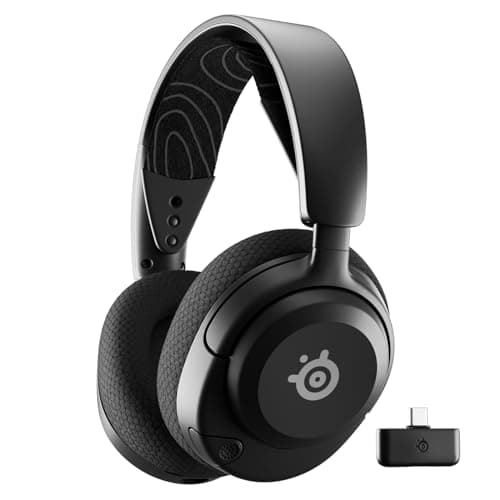
In a single-player game, or for music, or on a phone, Bluetooth latency is irrelevant — which is why several headsets here support both, and why that is a feature rather than a compromise. The HyperX Cloud Jet, Arctis Nova 5 and Arctis Nova 7 all offer 2.4GHz for play and Bluetooth for a phone simultaneously. Use the right one for the job.
The list, cheapest first
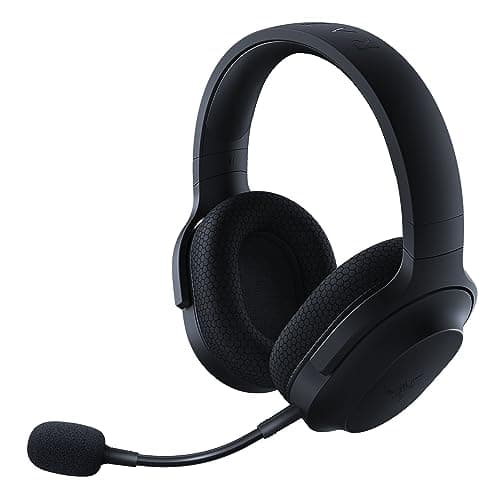
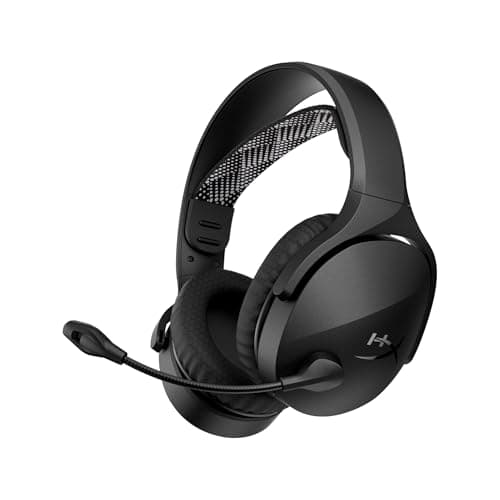
The HyperX Cloud Jet is the top pick because it is the cheapest headset we could find with a genuine 2.4GHz dongle rather than Bluetooth pretending to be one, and it carries Bluetooth 5.3 alongside it for a phone. Its dongle is USB-A, which is worth knowing if your machine is USB-C only. The Razer Barracuda X uses a USB-C dongle instead, which means it works with a Steam Deck, a phone and a Switch as well as a PC.
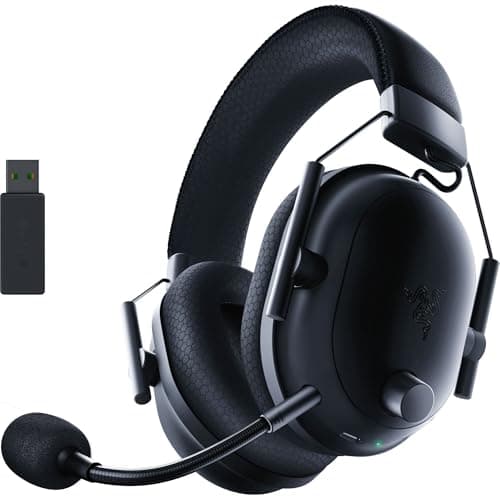
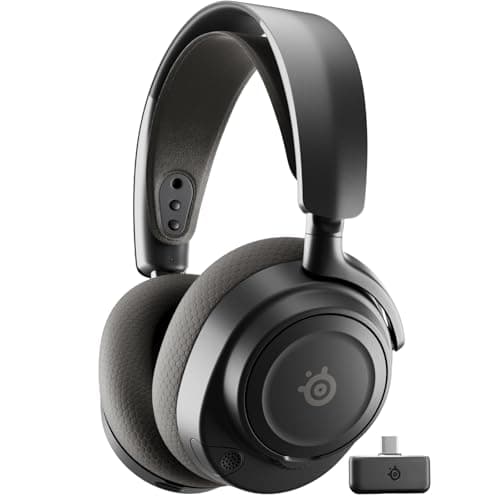
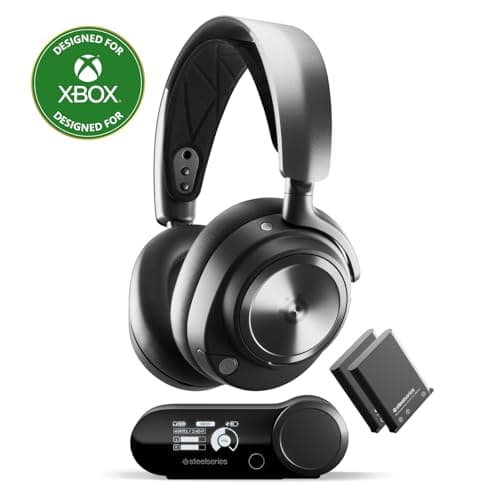
Above those, the Razer BlackShark V2 Pro and SteelSeries Arctis Nova 7 are the competitive-focused options, and the Arctis Nova Pro Wireless is the flagship with a hot-swap battery system so it is never flat. None of those is lower latency in a way you will notice than the Cloud Jet; what they buy is sound quality, microphone quality and build. Our best wireless gaming headsets page ranks them on those grounds, and best headsets for FPS ranks on positional accuracy.
One last honest note: if latency is genuinely your top priority, a wired headset has none of this problem for a fraction of the money. That trade is the subject of our wired vs wireless guide, and it remains the correct answer for a lot of competitive players.