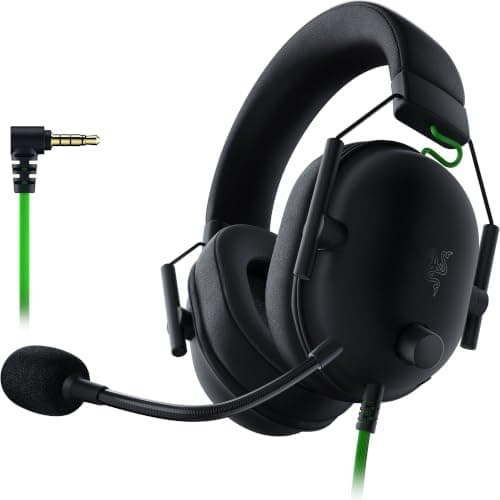
The Razer BlackShark V2 X is the pick, and the reason is its cushions rather than anything to do with glasses specifically. Razer builds it around thick memory foam, and a deep pad deforms around the arm of your frames instead of pressing it flat. That pressure is the actual cause of glasses pain — not the headset touching your frames, but the cushions driving the temple arms into your skull. Once you understand that, the whole category gets easier to shop.
The mechanism: it is clamp force, not contact
A headset stays on your head by squeezing it. That squeeze has to overcome the headset's own weight, so heavier headsets need more of it. When you wear glasses, that pressure is transmitted through a thin, rigid plastic or metal temple arm into a narrow line of contact on the side of your skull — and a narrow line of contact concentrates force. That is why the pain arrives after forty minutes rather than immediately, and why it appears at the temple rather than the ear.
There are only three levers that address this, and every genuinely glasses-friendly headset pulls at least one of them.
- Less weight. Less weight means less clamp needed. This is the most reliable single indicator, and it is a published spec you can check.
- Thicker, softer cushions. A deep memory-foam pad deforms around the temple arm instead of pressing it flat. Thin, firm pads do the opposite.
- A suspension headband.An elastic band that carries the weight on the crown of your head changes where the load goes — downward rather than inward — which reduces how much side pressure is needed at all.
We should be straight about the limits of what we can tell you here: we do not measure clamp force, because we do not have a lab. Weight is a published manufacturer figure and we use it. For measured clamp and comfort data, RTINGS publishes it per model and is the right place to check a specific headset.
Which of the three levers each pick uses
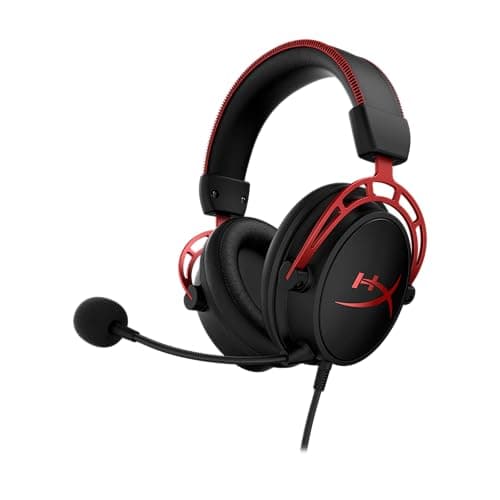
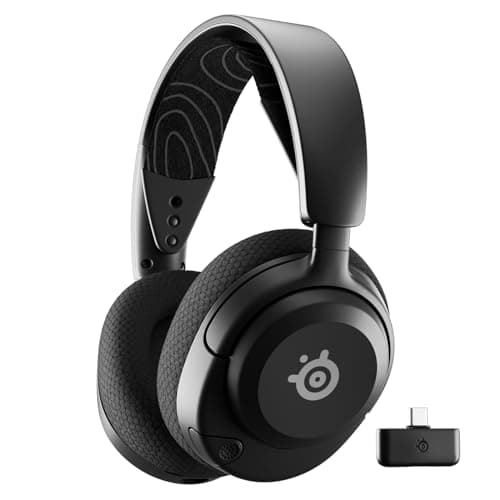
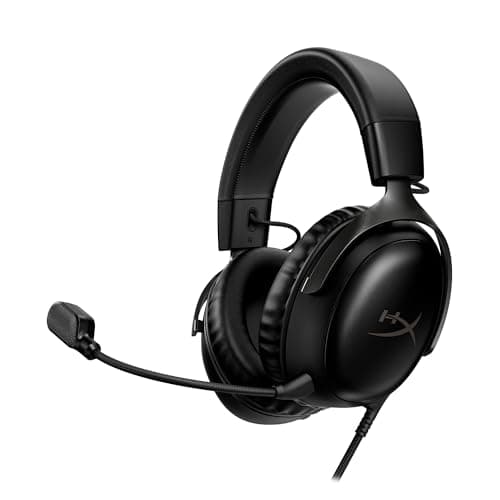
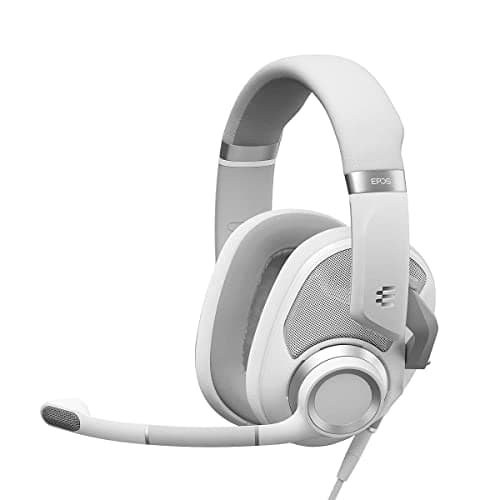
The Razer BlackShark V2 Xis the cushion play and the cheapest good option here — thick memory foam on a light frame. The HyperX Cloud Alpha and Cloud IIIare the Cloud line's long-standing combination of deep foam and wide earcup openings, with the Cloud III adding angled drivers. The SteelSeries Arctis Nova 5 is the suspension-band play, and the only wireless entry. The EPOS H6PRO is the open-back option, which brings a fourth benefit that has nothing to do with pressure: an open earcup runs cooler, and heat build-up around a frame is the other thing glasses wearers complain about. Our open back vs closed back guide covers what you trade for that.
Two things that help regardless of what you buy
First, thinner temple arms. If you have glasses with wire or thin acetate arms, wear those for long sessions; thick chunky frames concentrate the pressure far more. Second, stretch the headband. Leaving a headset resting over a stack of books overnight relaxes the band slightly and permanently reduces clamp — it is crude, it works, and it costs nothing. Do it in small increments rather than all at once.
If you would rather sidestep the problem entirely, in-ear monitors do not touch your glasses at all — see best gaming earbuds and IEMs and our gaming headset vs earbuds guide. For the wider comfort field regardless of glasses, our how to choose a gaming headset guide is the starting point, and the most comfortable gaming headsets ranks the same field on clamp, weight, pad depth and heat. If the headset you already own is the problem, our guide to making a gaming headset more comfortable goes through the fixes in order.