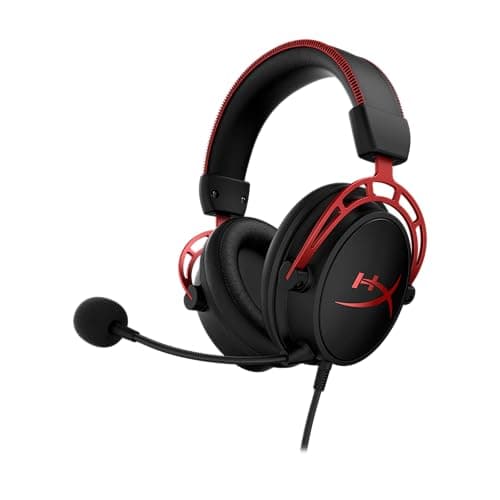
If you want one wired headset and no homework, buy the HyperX Cloud Alpha. It is comfortable over long sessions, its mic detaches, and the plain 3.5mm plug means it works on a PC, a console, a controller, a handheld and a phone without a dongle, a driver or a setup screen. It is the do-everything default, and it earns that spot honestly. Wired gets dismissed as the compromise you settle for, and it is exactly backwards. A wired headset does not carry a radio, a battery, or the certification that goes with them, and none of those things make sound — so at any given price, a wired pair spends the money you would have lost to the radio on the parts you actually hear: the drivers, the pads and the microphone. The six below are ranked with that in mind, and they split cleanly into the two ways a wired headset connects, which is the first decision to get right.
Why wired still wins on value
The case for wired is a case about where your money lands. A wireless headset has to include a 2.4GHz radio and its dongle, a rechargeable battery, the power circuitry to manage it, and the wireless certification that lets it ship — and all of that adds cost before a single note of audio is improved. A wired headset skips the lot. That is why, dollar for dollar, the wired option in almost any lineup out-specs the wireless one at the same price: it is not paying the radio-and-battery tax, so the same budget buys better drivers, thicker memory foam, an aluminum frame instead of plastic, or a detachable boom mic. If a cable across the desk does not bother you, wired is simply the most headset you can get for the money, and it never dies mid-session because you forgot to charge it. We lay out the full trade in our wired vs wireless headset guide — but the short version is that the wire buys you value and reliability, and you give up only the cable.
Wired also removes an entire category of problems. There is no battery to age out and hold less charge after two years, no dongle to lose, no pairing to drop, and no latency to think about — a cable sends your audio the instant it is made. For a competitive player that last point matters, and for everyone else it just means the headset works every time you put it on.
The two kinds of wired: 3.5mm analog vs USB
Every headset on this page is wired, but they do not all plug in the same way, and the connector decides what the headset can and cannot do. This is the split that trips people up, so it is worth being plain about.
- 3.5mm analog(the Cloud Alpha, Arctis Nova 1, Corsair HS55 Surround v2, Recon 70 and G335) is the universal plug. That single jack works on a PC, on a controller with a headset port, on a Steam Deck or ROG Ally, on a Switch and on a phone — no dongle, no drivers, no software. The trade is that an analog headset has no processing of its own: it cannot do virtual surround or its own EQ, because there is no chip in the chain to do it. What you get is exactly what the drivers produce, which is honest and reliable, and for the large majority of players it is all they need. The HS55 Surround v2 is the one asterisk in that list: it connects over the same 3.5mm jack as the rest, but Corsair bundles a USB adapter that adds Dolby 7.1 surround when you plug it into a PC. If you care about the sound behind the plug rather than the plug itself, independent, measured reviews at RTINGS are the reference we trust, because we do not run a lab.
- USB (the Razer Kraken V3 X) puts a small sound card and processing chip in the chain, and that is the whole reason to choose it: on a PC, USB unlocks software-driven virtual surround, which folds a stereo signal into positional cues that some players find genuinely useful for placing sounds. The cost is reach: a USB headset is tied mostly to PC and PlayStation and will not simply plug into an Xbox, a Switch dock or a controller the way a 3.5mm set will. Virtual surround is also a processing trick, not real multi-speaker surround, so treat it as an optional extra rather than a headline — our virtual surround vs stereo guide explains when it helps and when good stereo is the better answer.
The practical rule: buy 3.5mm if you want one headset that plugs into everything, and buy USB only if you are on PC and specifically want the extra positional processing. Most people should start with analog.
How we picked
Every headset here had to clear the same bar: comfortable enough for a long session, a mic good enough for party chat, a build that survives real use, and sound that is at least clean and correctly balanced for its price. After that, we ranked on value — how much genuinely useful headset each one delivers for the money — and on fit for a specific job, because a featherweight budget set and a USB surround headset are not competing for the same buyer. The scores beside each pick are judgments drawn from documented specs and owner reports, not measurements we took ourselves; how we reach them is laid out on our methodology page.
How the ranking shakes out
The order below runs from the most universally useful pick down through the specialists and the budget tier. Read the top spot as the default answer, the next two as the picks for a single priority — sound quality or PC surround — and the bottom three as the honest, no-frills options for when the budget is the real constraint. One thing they share is worth setting expectations on: every headset here is a closed-back design, so all of them lean toward strong isolation and reinforced bass rather than the wide, airy stage an open-back pair gives up that isolation to achieve.
The HyperX Cloud Alphatakes the top spot because it is the most complete wired package for the money. The dual-chamber drivers and memory-foam pads set the comfort-and-sound benchmark at this price, the mic detaches so it passes as ordinary headphones out of the house, and the aluminum frame outlasts the all-plastic competition. Its 3.5mm plug means it works on essentially anything with a jack. It is bass-forward, which some players will want to EQ, and a closed back keeps its stage narrower than an open design — but as the one headset to own if you own one, it is very hard to beat.
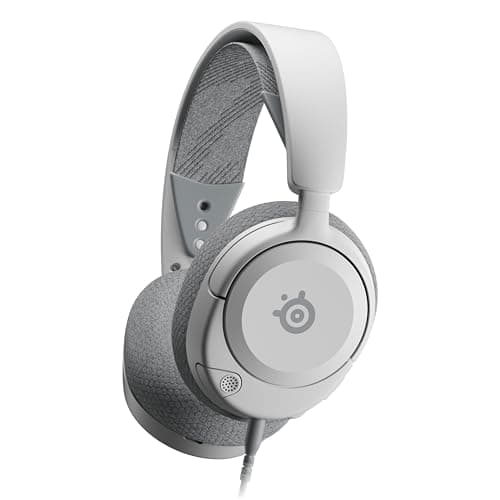
The SteelSeries Arctis Nova 1is the best sound-per-dollar pick. It inherits the Nova family's tuning and comfort at the bottom of the range, and its retractable ClearCast mic is a genuinely premium touch this far down the ladder. The ski-goggle band spreads weight well, so it is light and easy to wear for hours. The catch is that there is no USB sound card in the box, so it is at the mercy of whatever headphone jack you plug it into — on a good motherboard or a controller that is a non-issue, and the sound is the reward.
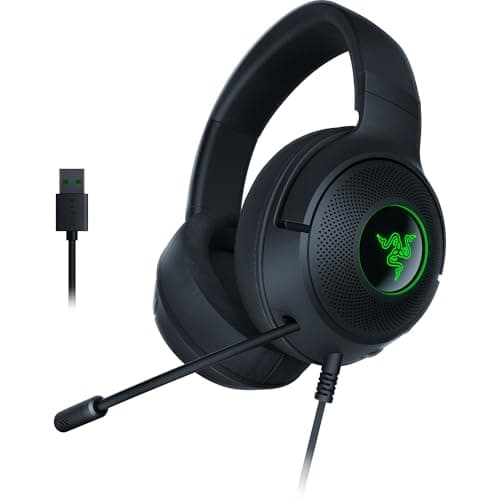
The Razer Kraken V3 Xis the USB pick, and the only one here that plugs in that way. It is genuinely light on the head, and its USB connection unlocks Razer's virtual-surround processing on PC, which is the reason to choose it over an analog set. The bendable cardioid mic stays where you put it. The honest caveats: USB ties it mostly to PC and PlayStation, so it will not plug into an Xbox or a Switch dock the way a 3.5mm headset does; the surround is a software trick you can take or leave; and the build feels its budget price. Buy it for the PC surround, not for reach.
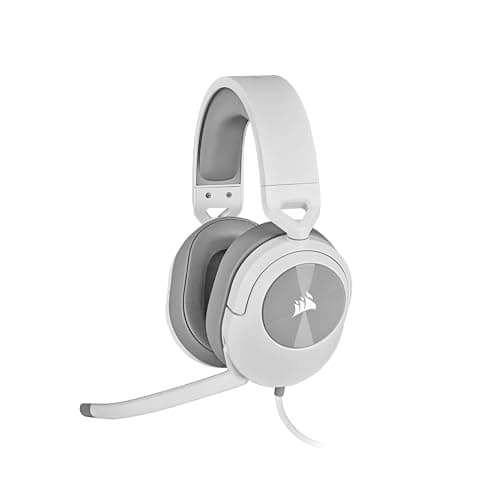
The Corsair HS55 Surround v2is the light pick. At 270g it is noticeably less head-weight than the Cloud Alpha, its memory-foam pads are comfortable for the money, and Corsair puts a USB adapter in the box that adds Dolby 7.1 surround on a PC. The 3.5mm plug keeps it universal. The catch is the microphone — it flips up to mute but does not come off, so unlike the Cloud Alpha these never double as ordinary headphones out of the house.
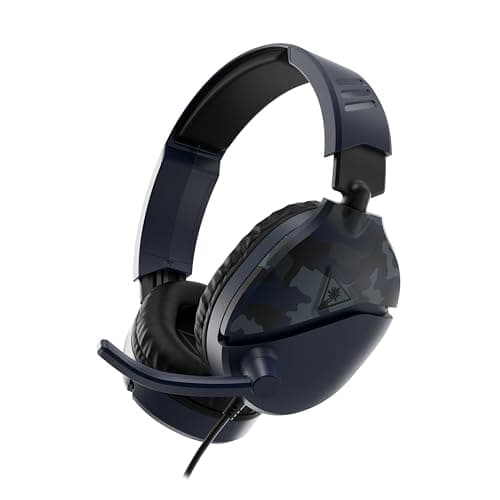
The Turtle Beach Recon 70is the cheap multiplatform pick, and about as cheap as a headset worth owning gets. One 3.5mm plug covers Xbox, PlayStation, Switch, PC and mobile with zero setup, and the flip-up mic mutes simply by raising it. It is all lightweight plastic that creaks if you flex it, its bass-forward tuning is fun but slightly muddies fine positional detail, and some platform versions drop the inline volume control — but for a first headset or a spare, the value is undeniable.
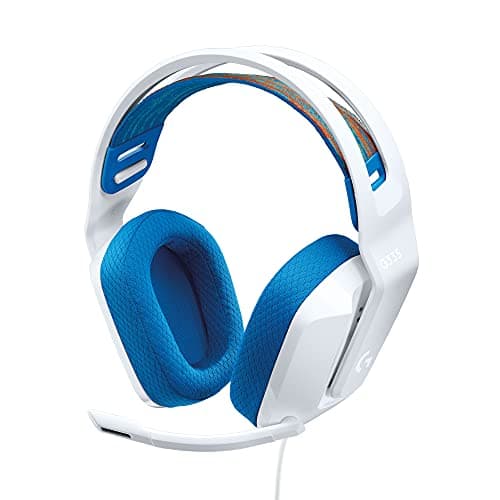
The Logitech G335 is the comfort pick. Its fabric suspension band spreads the load so you barely feel it after hours, it is very light, and the flip-to-mute mic and clean look are easy to live with. The 3.5mm plug keeps it universal. The clamp is gentle, which is exactly the point for comfort but may feel loose on a larger head or with glasses, and like every analog set here it cannot do software surround on its own. If long-session comfort is your first priority, this is the one.
Where each one gives something up
No headset on this page is free of compromises, and the honest way to choose is to pick the compromise you can live with. Every closed-back design here — which is all of them — trades the wide, airy soundstage of an open-back pair for isolation and bass, so if pinpoint positional accuracy is the only thing you care about, none of these is the specialist tool; an open-back set plus a cheap mic images better for the money, which is the argument we make on our best headset for footstepspage. The plastic-bodied picks (HS55 Surround v2, Recon 70, G335) have sound that is balanced rather than detailed, and the HS55's microphone is fixed in place where the Cloud Alpha's detaches. The Kraken V3 X buys PC surround at the cost of plug-into-anything reach. And the Nova 1 leaves the sound quality partly in the hands of your motherboard's jack. Read the cons on each pick as honestly as the pros — they are why the ranking is an order, not a tie.
Match the headset to your setup
Reason from where you play. If you want one headset for a mix of PC, console and handheld, buy 3.5mm and buy the Cloud Alpha— it is the safe, correct default. If sound quality per dollar is the goal and you have a decent jack to plug into, the Arctis Nova 1 punches above its price. If you are on PC and want the virtual-surround processing, the Kraken V3 X is the reason USB exists. And if the budget is tight or comfort is everything, the HS55 Surround v2 is the lightest set here, and the Recon 70 and G335 each get you a genuinely usable headset for very little. If a console is the main machine, our best headset for PS5 page picks the same class of headset for that platform, and if the ceiling is a hard number, our best cheap gaming headsets page ranks the budget end on its own. Every price on this page is pulled live and date-stamped, so the value case stays honest rather than being a figure we typed once and forgot.