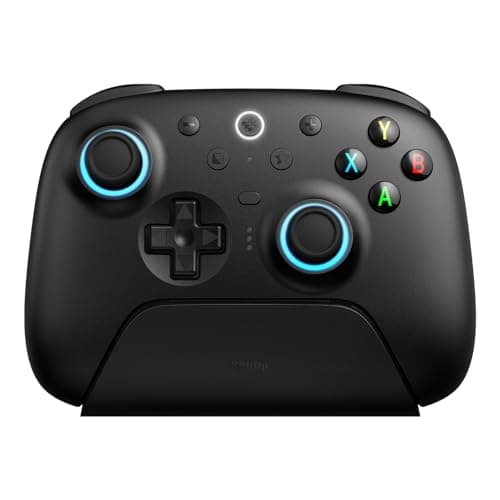
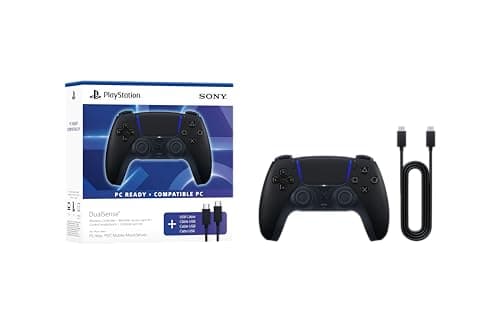
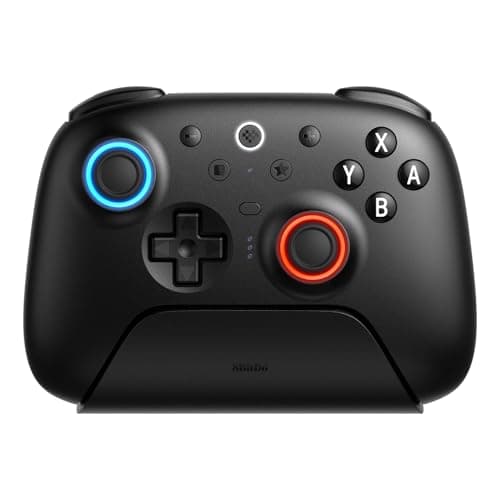
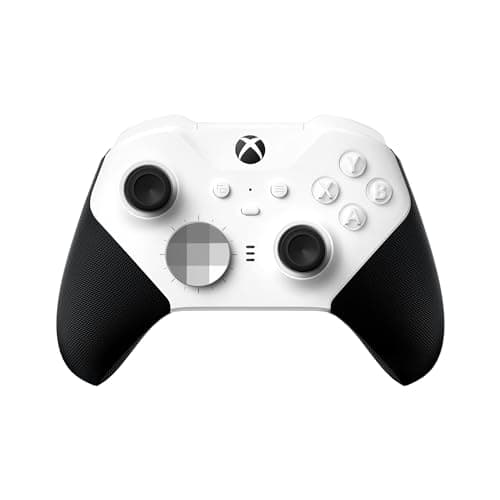
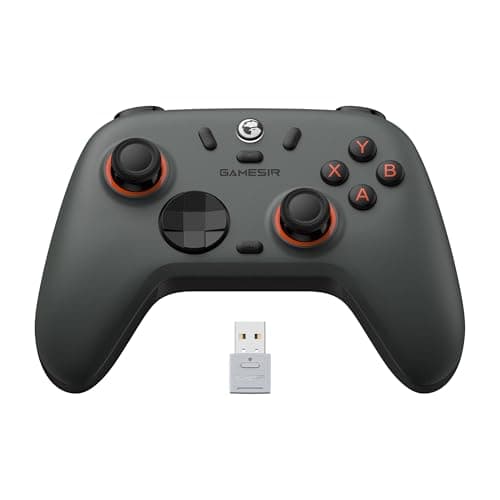
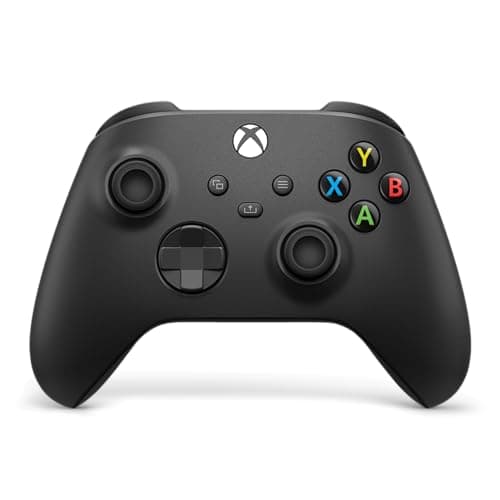
A gaming controller is one of the few peripherals where the platform decides the shortlist before your preferences get a vote. A PS5 expects the DualSense family for games built around its haptics and adaptive triggers. A Switch needs a pad that speaks its pairing protocol. PC is the permissive one and will take almost anything — but even there, the Xbox layout is what developers map their on-screen button prompts to. So this page is ordered by who you are, not by one overall score.
Every price here is pulled live from Amazon and stamped with the date we retrieved it. We do not run a testing lab and never claim to — our methodology page states exactly what our scores are and are not.
The one spec that still matters: Hall-effect sticks
Stick drift — your character walking on its own, your aim pulling left — is how most controllers die. The cause is mechanical. A conventional analog stick reads position with a potentiometer: a physical wiper dragging across a resistive track. The track wears, the readings get noisy, and the pad reports movement your thumb never made.
A Hall-effect stick replaces the wiper with a magnet and a sensor that measures a magnetic field. Nothing touches, so there is nothing to wear through. It is not magic — bushings and stick modules can still develop slop, and a Hall-effect pad can still need a deadzone calibration — but it removes the single most common failure mode in the category. Three of the six picks here list Hall-effect sticks and triggers, including the cheapest one. That is a real change in this market, and it is why we no longer tell anyone to spend extra purely for durability.
Wireless: dongle, Bluetooth, or both
There are three ways a modern pad talks to your machine and they are not equivalent. A proprietary 2.4GHz dongle is the low-latency option and the one to use on PC. Bluetooth is the convenient option — nothing to lose, works with phones and handhelds — and carries slightly more latency plus a longer reconnect. A USB-C cable is the option that never argues with anything, which is why tournament pads are so often wired on purpose.
The practical rule: if a pad offers both a dongle and Bluetooth, use the dongle at the desk and keep Bluetooth for the couch or a handheld. If you play fighting games, or anything where a single dropped input is unacceptable, start with our fighting-game controller page instead — that category has its own rules.
What the money buys above the baseline
Past the mid-range you are not buying better sensors. You are buying adjustment. The Elite Series 2 Core adds rear paddles, swappable stick tops, adjustable stick tension and hair-trigger locks — mechanical changes to how the pad fits your hands and how far your fingers travel. Those are real, and they matter to someone who plays one game seriously. They are also wasted on someone who plays four genres a month.
The DualSense is the exception to the whole framework, because its haptics and adaptive triggers are a game feature rather than a controller feature. In titles that implement them they are not a gimmick. On PC most of that hardware sits idle and the pad becomes a well-shaped Bluetooth controller with a built-in mic.
Batteries: the boring decision you will think about weekly
Built-in rechargeable cells are tidier. AA batteries last longer in the sense that matters: a sealed cell is the part that ages fastest, and when it stops holding charge the controller is finished unless you are willing to open it. With AAs — or a pair of rechargeable AAs and a charger — a flat pad is a thirty-second fix and the controller keeps working for years. The 8BitDo picks split the difference with a charging dock, which is the best version of built-in: you drop the pad in its cradle and it is never empty when you sit down.
One last note on fit. Hand size changes which pad feels right more than any feature list does. The Xbox shape suits medium-to-large hands; the DualSense is wider across the grips than the pad it replaced; the 8BitDo pads sit between the two. If you have a chance to hold one before buying, that beats every spec on this page.
Four checks, in order. The first one usually ends the decision.
1. Platform.PS5 means a DualSense or a licensed PS5 pad. Switch means a pad that supports Switch pairing. Xbox means an Xbox-licensed pad — unlicensed third-party controllers do not work on the console at all. PC takes any of them, and Steam Input can remap almost anything.
2. Sticks. If the budget stretches to Hall-effect sticks, take them. Where two pads are close on price and one has them, that is your tie-break.
3. Connection. Dongle for competitive PC play, Bluetooth for couch and handheld, wired when a dropped input is unacceptable. Prefer a pad that gives you two of the three.
4. Adjustment. Rear paddles, trigger locks and stick tension are worth paying for only if you can name the game you want them for. If you cannot, spend the difference on a headsetinstead — it will change your results more.